Depressive disorders are characterized by sad, empty, or irritable mood severe enough and persistent enough to interfere with function. Exact cause is unknown but involves genetic factors, changes in neurotransmitter levels, altered neuroendocrine function, and psychosocial factors. Diagnosis is based on standard psychiatric criteria. Treatment usually consists of antidepressant medications, psychotherapy, or both and sometimes electroconvulsive therapy (ECT) or rapid transcranial magnetic stimulation (rTMS).
The term depression is often used to refer to any of several depressive disorders. Some are classified in the Diagnostic and Statistical Manual of Mental Disorders, 5th edition, Text Revision (1) by specific symptoms:
Major depressive disorder (often called major depression)
Persistent depressive disorder (dysthymia)
Others are classified by etiology:
Premenstrual dysphoric disorder
Substance-/medication-induced depressive disorder
Depressive disorder due to another medical condition
Depressive disorders occur at any age but typically develop during the mid teens, 20s, or 30s (see also Depressive Disorders in Children and Adolescents), with an average age of onset of 29 years for major depressive disorder in the United States (2, 3). In primary care settings, approximately 13% of patients have a diagnosis of depression (4).
(See also Overview of Mood Disorders.)

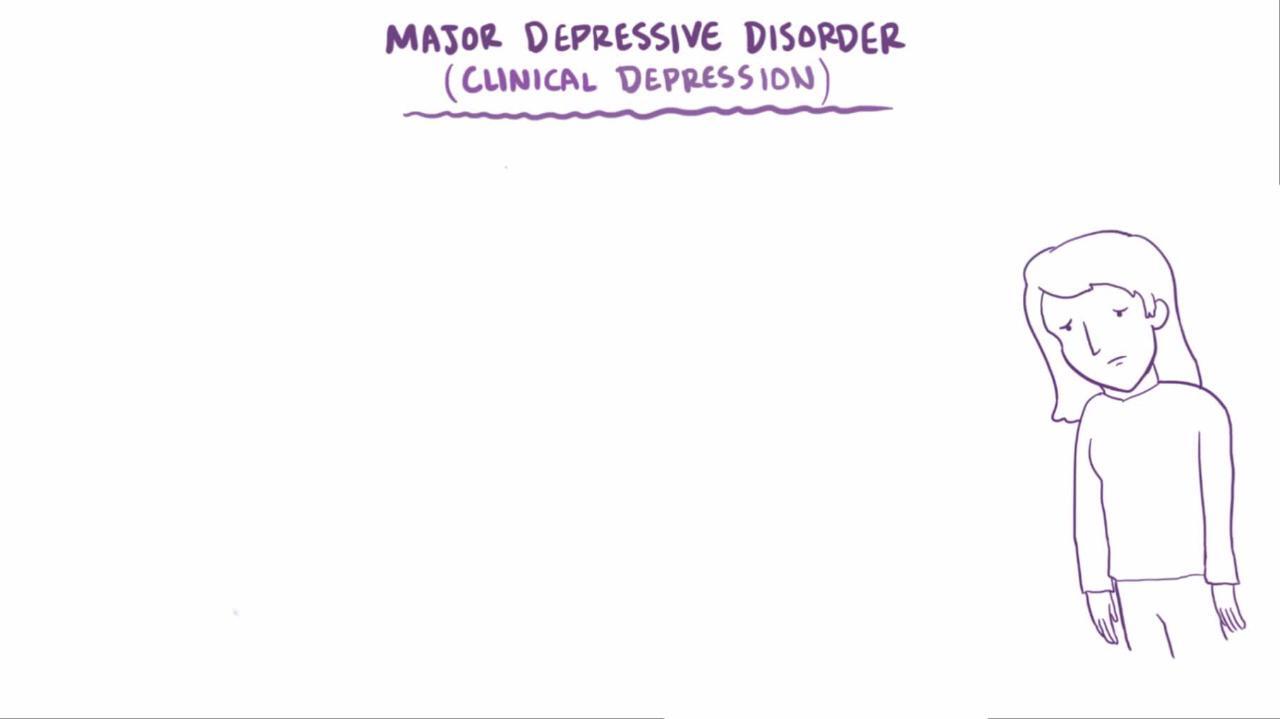
Demoralization and grief
Not all sad or low moods, feelings of emptiness, or irritability are manifestations of depression, although the terms "depression" and "depressed" are often used to describe the low or discouraged moods that are normal variations in mood or normal responses to a difficult experience or challenging situation (eg, academic or financial stressors, serious illness) or loss (eg, death of a loved one). "Demoralization" and "grief" are better terms for such moods.
Unlike those of clinical depression, the negative feelings of demoralization and grief,
Occur and resolve and tend to be tied to thoughts or reminders of the inciting event
Resolve when circumstances or events improve
May be interspersed with periods of positive emotion and humor
Are not accompanied by pervasive feelings of worthlessness and self-loathing
Low moods that are not part of a mood disorder usually last for less than a week and are not accompanied by recurrent suicidal thoughts and prolonged loss of function.
However, events and stressors that cause demoralization and grief can also precipitate a major depressive episode, particularly in vulnerable people (eg, those with a past history or family history of major depression). In a small but substantial number of patients, grief may become persistent and disabling. This condition is termed prolonged grief disorder and may require treatment.
General references
1. American Psychiatric Association. Diagnostic and Statistical Manual of Mental Disorders, 5th ed, Text Revision (DSM-5-TR). American Psychiatric Association Publishing; 2022.
2. Hasin DS, Sarvet AL, Meyers JL, et al. Epidemiology of Adult DSM-5 Major Depressive Disorder and Its Specifiers in the United States. JAMA Psychiatry. 2018;75(4):336-346. doi:10.1001/jamapsychiatry.2017.4602
3. Jamet C, Dubertret C, Le Strat Y, Tebeka S. Age of onset of major depressive episode and association with lifetime psychiatric disorders, health-related quality of life and impact of gender: A cross sectional and retrospective cohort study. J Affect Disord. 2024;363:300-309. doi:10.1016/j.jad.2024.07.017
4. Jackson JL, Kuriyama A, Bernstein J, et al. Depression in primary care, 2010-2018. Am J Med. 135(12):1505-1508, 2022. doi: 10.1016/j.amjmed.2022.06.022
Etiology of Depressive Disorders
The exact cause of depressive disorders is unknown, but genetic, epigenetic, neurobiologic, psychosocial, and environmental factors contribute.
Heritability of depressive disorders is estimated to be approximately 30 to 50% (less so in late-onset depression) (1, 2). Thus, depression is more common among first-degree relatives of depressed patients, and concordance between identical twins is high (2). Genetic factors involved in the development of depression appear to be polygenic (3).
Other theories focus on changes in neurotransmitter levels, including abnormal regulation of cholinergic, catecholaminergic (noradrenergic or dopaminergic), glutamatergic, and serotonergic (5-hydroxytryptamine) neurotransmission (4, 5). Neuroendocrine dysregulation may be a factor, with particular emphasis on 3 axes: hypothalamic-pituitary-adrenal, hypothalamic-pituitary-thyroid, and hypothalamic-pituitary-growth hormone (6–9).
Women are at higher risk; in the United States, 12-month prevalence in women is 13% compared with 7% in men (10). The basis for this gender difference is likely multifactorial (11). Possible factors include the following (8, 12, 13):
Greater exposure to or heightened response to daily stresses
Higher levels of monoamine oxidase (the enzyme that degrades neurotransmitters considered important for mood)
Higher rates of thyroid dysfunction (and potentially an increased vulnerability to the effects of thyroid dysfunction on depression in women)
Endocrine changes that occur with menstruation and at menopause
In addition, people who are transgender and nonbinary appear to have higher rates of depression than those who are cisgender (64% vs 14% lifetime prevalence in a United States national study [n = 9861]) (14).
Psychosocial factors also seem to be involved (11). Factors associated with an increased risk of depression include chronic adversity (eg, bullying, socioeconomic stressors, chronic illness) and adverse childhood experiences. Major life stresses, especially separations and losses, commonly precede episodes of major depression; however, such events do not usually cause lasting, severe depression except in people predisposed to a mood disorder.
People who have had an episode of major depression are at higher risk of subsequent episodes (15). People who are less resilient and/or who have anxious tendencies may be more likely to develop a depressive disorder (16). Such people often do not develop the social skills to adjust to life pressures. The presence of other psychiatric disorders increases risks for major depressive disorder (11).
Mood disorders may occur in particular medical conditions or be associated with hormonal fluctuations or seasonal or patterns.
Premenstrual dysphoric disorder symptoms occur cyclically at certain times of the menstrual cycle. In perinatal depression, symptoms develop during pregnancy or within 4 weeks after delivery (see Postpartum Depression); endocrine changes have been implicated, but the specific cause is unknown. The presence of perinatal depression is associated with the subsequent diagnosis of major depressive disorder and bipolar disorder (17).
In seasonal affective disorder, symptoms develop in a seasonal pattern, typically during autumn or winter; the disorder tends to occur in climates with long or severe winters.
Depressive symptoms or disorders may accompany various general medical disorders, including thyroid disorders, adrenal gland disorders, benign and malignant brain tumors, stroke, advanced HIV infection, Parkinson disease, and multiple sclerosis (see table ).
Depression may reduce protective immune responses. Depression is associated with an increased risk of cardiovascular disorders, myocardial infarctions (MIs), and stroke, perhaps because in depression, cytokines and factors that increase blood clotting are elevated and heart rate variability is decreased—all potential risk factors for cardiovascular disorders (18, 19).
Certain medications, such as corticosteroids, some beta-blockers, interferon, and reserpine, can also result in depressive disorders. Misuse of some substances and illicit drugs (eg, alcohol, amphetamines) can lead to or accompany depression. Toxic effects or withdrawal of medications may cause transient depressive symptoms.
Risk Factors and Comorbidities Associated With Depression or Mania
Type of Disorder | Depression | Mania |
|---|---|---|
Systemic rheumatic disease | SLE | |
Endocrine | Hyperthyroidism | |
Infectious | General paresis (parenchymatous neurosyphilis) Viral pneumonia | Advanced HIV infection General paresis Influenza St. Louis encephalitis |
Neoplastic | Cancer of the head of the pancreas Disseminated carcinomatosis | — |
Neurologic | Dementing disorders in the early phase Stroke (left frontal) | Focal-onset seizures Diencephalic tumors Head trauma Multiple sclerosis Stroke |
Nutritional | — | |
Other | — | |
Pharmacologic | Amphotericin B Anticholinesterase insecticides Beta-blockers (some, eg, propranolol) Cimetidine Corticosteroids Cycloserine Indomethacin Interferon Mercury Methyldopa Metoclopramide Estrogen-progestin contraceptives Phenothiazines Progestogens Reserpine Thallium Vinblastine Vincristine | Certain antidepressants Bromocriptine Corticosteroids Levodopa Methylphenidate Sympathomimetic medications |
Psychiatric (other than mood disorders) | Alcohol and other substance use disorders Antisocial personality disorder | — |
Etiology references
1. Kendall KM, Van Assche E, Andlauer TFM, et al. The genetic basis of major depression. Psychol Med. 2021;51(13):2217-2230. doi:10.1017/S0033291721000441
2. Sullivan PF, Neale MC, Kendler KS. Genetic epidemiology of major depression: review and meta-analysis. Am J Psychiatry. 2000;157(10):1552-1562. doi:10.1176/appi.ajp.157.10.1552
3. Agerbo E, Trabjerg BB, Børglum AD, et al. Risk of Early-Onset Depression Associated With Polygenic Liability, Parental Psychiatric History, and Socioeconomic Status. JAMA Psychiatry. 2021;78(4):387-397. doi:10.1001/jamapsychiatry.2020.4172
4. Ghasemi M, Phillips C, Fahimi A, et al. Mechanisms of action and clinical efficacy of NMDA receptor modulators in mood disorders. Neurosci Biobehav Rev. 80:555-572, 2017. doi: 10.1016/j.neubiorev.2017.07.002
5. Li S, Gao M, Mou Z, Zhang H, Wang Y, Zhang Y. Advances in neurotransmitter-mediated prefrontal circuitry in depression. Prog Neuropsychopharmacol Biol Psychiatry. 2025;141:111475. doi:10.1016/j.pnpbp.2025.111475
6. Min W, Liu C, Yang Y, et al. Alterations in hypothalamic-pituitary-adrenal/thyroid (HPA/HPT) axes correlated with the clinical manifestations of depression. Prog Neuropsychopharmacol Biol Psychiatry. 2012;39(1):206-211. doi:10.1016/j.pnpbp.2012.06.017
7. Feng G, Kang C, Yuan J, et al. Neuroendocrine abnormalities associated with untreated first episode patients with major depressive disorder and bipolar disorder. Psychoneuroendocrinology. 2019;107:119-123. doi:10.1016/j.psyneuen.2019.05.013
8. Bode H, Ivens B, Bschor T, Schwarzer G, Henssler J, Baethge C. Association of Hypothyroidism and Clinical Depression: A Systematic Review and Meta-analysis. JAMA Psychiatry. 2021;78(12):1375-1383. doi:10.1001/jamapsychiatry.2021.2506
9. Tajiri M, Suzuki Y, Tsuneyama N, Arinami H, Someya T. Hormonal Dynamics Effect of Serum Insulin-Like Growth Factor I and Cortisol/Dehydroepiandrosterone Sulfate Ratio on Symptom Severity of Major Depressive Disorder. J Clin Psychopharmacol. 2019;39(4):367-371. doi:10.1097/JCP.0000000000001071
10. Hasin DS, Sarvet AL, Meyers JL, et al. Epidemiology of Adult DSM-5 Major Depressive Disorder and Its Specifiers in the United States. JAMA Psychiatry. 2018;75(4):336-346. doi:10.1001/jamapsychiatry.2017.4602.
11. American Psychiatric Association. Diagnostic and Statistical Manual of Mental Disorders, 5th ed, Text Revision. American Psychiatric Association Publishing; 2022.
12. Di Benedetto MG, Landi P, Mencacci C, Cattaneo A. Depression in Women: Potential Biological and Sociocultural Factors Driving the Sex Effect. Neuropsychobiology. 2024;83(1):2-16. doi:10.1159/000531588
13. Sacher J, Rekkas PV, Wilson AA, et al. Relationship of monoamine oxidase-A distribution volume to postpartum depression and postpartum crying. Neuropsychopharmacology. 2015;40(2):429-435. doi:10.1038/npp.2014.190
14. Eccles H, Abramovich A, Patte KA, et al. Mental Disorders and Suicidality in Transgender and Gender-Diverse People. JAMA Netw Open. 2024;7(10):e2436883. Published 2024 Oct 1. doi:10.1001/jamanetworkopen.2024.36883
15. Bulloch A, Williams J, Lavorato D, Patten S. Recurrence of major depressive episodes is strongly dependent on the number of previous episodes. Depress Anxiety. 2014;31(1):72-76. doi:10.1002/da.22173
16. Struijs SY, de Jong PJ, Jeronimus BF, van der Does W, Riese H, Spinhoven P. Psychological risk factors and the course of depression and anxiety disorders: A review of 15 years NESDA research. J Affect Disord. 2021;295:1347-1359. doi:10.1016/j.jad.2021.08.086
17. Liu X, Agerbo E, Li J, Meltzer-Brody S, Bergink V, Munk-Olsen T. Depression and Anxiety in the Postpartum Period and Risk of Bipolar Disorder: A Danish Nationwide Register-Based Cohort Study. J Clin Psychiatry. 2017;78(5):e469-e476. doi:10.4088/JCP.16m10970
18. Levine GN, Cohen BE, Commodore-Mensah Y, et al. Psychological Health, Well-Being, and the Mind-Heart-Body Connection: A Scientific Statement From the American Heart Association. Circulation. 2021;143(10):e763-e783. doi:10.1161/CIR.0000000000000947
19. Krittanawong C, Maitra NS, Qadeer YK, et al. Association of Depression and Cardiovascular Disease. Am J Med. 2023;136(9):881-895. doi:10.1016/j.amjmed.2023.04.036
Symptoms and Signs of Depressive Disorders
Depression is characterized by cognitive, psychomotor, and other types of dysfunction (eg, poor concentration, fatigue, loss of sexual desire, loss of interest or pleasure in nearly all activities that were previously enjoyed, sleep disturbances), as well as a depressed mood. People with a depressive disorder may have thoughts of suicide and may attempt suicide (1). Other psychiatric symptoms or disorders (eg, anxiety and panic attacks) commonly coexist, sometimes complicating diagnosis and treatment.
Up to about one-quarter of patients with all forms of depression use alcohol or illicit drugs in an attempt to self-treat sleep disturbances or anxiety symptoms (2); however, depression is a less common cause of alcohol and substance use disorders than was once thought (3). Patients are also more likely to become heavy smokers and to neglect their health (4, 5), increasing the risk of development or progression of other disorders (eg, chronic obstructive pulmonary disease [COPD]).
Suicidality, including ideation, planning, and attempts, are risks in depressive disorders, particularly untreated major depressive disorder, and patients require appropriate counseling and monitoring for suicide risk. (See Overview of Mood Disorders: Suicide.)
Major depressive disorder (unipolar depressive disorder)
Characteristic symptoms and signs include depressed mood, anhedonia, weight change, fatigue, sleep disturbances, psychomotor agitation or slowing, feelings of worthlessness or guilt, difficulty thinking, and suicidal ideation or behavior.
Patients may appear miserable, with tearful eyes, furrowed brows, down-turned corners of the mouth, slumped posture, poor eye contact, lack of facial expression, little body movement, and speech changes (eg, soft voice, lack of prosody, use of monosyllabic words). Appearance may be confused with Parkinson disease. In some patients, depressed mood is so deep that tears dry up; they report that they are unable to experience usual emotions and feel that the world has become colorless and lifeless.
Nutrition may be severely impaired, and significant weight loss may require immediate intervention.
Some depressed patients neglect personal hygiene or their children, other loved ones, or pets.
Persistent depressive disorder
Depressive symptoms that persist for ≥ 2 years without remission are classified as persistent depressive disorder (PDD), a category that consolidates disorders formerly termed chronic major depressive disorder and dysthymic disorder.
Characteristic symptoms and signs include depressed mood, fatigue, changes in appetite, sleep disturbances, psychomotor agitation or slowing, low self-esteem, feelings of hopelessness, and difficulty thinking.
Symptoms typically begin insidiously during adolescence and may persist for many years or decades. The number of symptoms often fluctuates above and below the threshold for major depressive episode.
Affected patients may be habitually gloomy, pessimistic, humorless, passive, lethargic, introverted, hypercritical of self and others, and complaining. Patients with PDD are also more likely to have underlying anxiety disorders, substance use disorders, or personality disorders (eg, borderline personality).
Premenstrual dysphoric disorder
Premenstrual dysphoric disorder involves mood and anxiety symptoms that are clearly related to the menstrual cycle, with onset during the premenstrual phase and a symptom-free interval after menstruation. Symptoms must be present during most menstrual cycles during the past year.
Characteristic symptoms include mood swings (including depressed mood), irritability, anger, increased interpersonal conflict, feelings of hopelessness, anxiety or tension, and other symptoms of depressive disorders. Physical symptoms such as joint pain, a bloated feeling, breast tenderness, or weight gain are also present.
Manifestations are similar to those of premenstrual syndrome but are more severe, causing clinically significant distress and/or marked impairment of social or occupational functioning. The disorder may begin any time after menarche; it may worsen as menopause approaches but ceases after menopause. Prevalence is estimated at approximately 1 and 6% of menstruating women (6).
Prolonged grief disorder
Prolonged grief is persistent sadness following the loss of a loved one. It is distinct from depression in that the sadness relates to the specific loss rather than the more general feelings of failure associated with depression. In contrast to normal grief, this condition may be highly disabling and require therapy specifically designed for prolonged grief disorder.
Characteristic symptoms include emotional pain, loneliness, numbness, disbelief, a feeling that a part of oneself has died, avoidance or reminders of the loved one, and difficulty reengaging in life.
(Some useful screening tools include the Inventory of Complicated Grief and the Brief Grief Questionnaire.)
Symptoms and signs references
1. Hasin DS, Sarvet AL, Meyers JL, et al. Epidemiology of Adult DSM-5 Major Depressive Disorder and Its Specifiers in the United States. JAMA Psychiatry. 2018;75(4):336-346. doi:10.1001/jamapsychiatry.2017.4602
2. Turner S, Mota N, Bolton J, Sareen J. Self-medication with alcohol or drugs for mood and anxiety disorders: A narrative review of the epidemiological literature. Depress Anxiety. 2018;35(9):851-860. doi:10.1002/da.22771
3. Fergusson DM, Boden JM, Horwood LJ. Tests of causal links between alcohol abuse or dependence and major depression. Arch Gen Psychiatry. 2009;66(3):260-266. doi:10.1001/archgenpsychiatry.2008.543
4. Weinberger AH, Chaiton MO, Zhu J, Wall MM, Hasin DS, Goodwin RD. Trends in the Prevalence of Current, Daily, and Nondaily Cigarette Smoking and Quit Ratios by Depression Status in the U.S.: 2005-2017. Am J Prev Med. 2020;58(5):691-698. doi:10.1016/j.amepre.2019.12.023
5. Gorna K, Szpalik R, Rybakowski JK, Jaracz K. Health behaviours of patients with affective disorders: a cross-sectional study. BMC Psychiatry. 2023;23(1):561. Published 2023 Aug 4. doi:10.1186/s12888-023-05056-5
6. American Psychiatric Association. Diagnostic and Statistical Manual of Mental Disorders, 5th ed, Text Revision. American Psychiatric Association Publishing; 2022.
Diagnosis of Depressive Disorders
Psychiatric assessment
Complete blood count (CBC), electrolytes, and thyroid-stimulating hormone (TSH), vitamin B12, and folate levels to exclude general medical disorders that can cause depressive symptoms
Diagnosis of depressive disorders requires meeting the Diagnostic and Statistical Manual of Mental Disorders, 5th edition, Text Revision (DSM-5-TR) criteria (1).
General diagnostic considerations
Specific (closed-ended) questions help determine the presence, severity, and duration of symptoms. To differentiate depressive disorders from ordinary mood variations, there must be significant distress or impairment in social, occupational, or other important areas of functioning. In addition, the symptoms of a disorder should not be better explained by another psychiatric disorder, substance/medication use, or another general medical condition.
Severity is determined by the degree of pain and disability (physical, social, occupational) and by duration of symptoms. A clinician should also gently but directly ask patients about any thoughts and plans to harm themselves or others, as well as about any previous threats of and/or attempts at suicide. Psychosis and catatonia indicate severe depression, as does a melancholic syndrome. Coexisting physical conditions, substance use disorders, and anxiety disorders may add to severity.
Laboratory testing
No laboratory findings are pathognomonic for depressive disorders. However, laboratory testing is necessary to exclude physical conditions that can cause depression (see table ). Tests include complete blood count, thyroid-stimulating hormone levels, and routine electrolyte, vitamin B12, and folate levels and, in older men, testosterone levels. Testing for illicit drug use is sometimes appropriate.
Differential diagnosis
Depressive disorders must be distinguished from demoralization and grief. Other psychiatric disorders (eg, anxiety disorders) can mimic or obscure the diagnosis of depression. Sometimes more than 1 disorder is present. Major depressive disorder (unipolar depression) must be distinguished from bipolar disorder.
In older patients, depression can manifest as dementia of depression (formerly called pseudodementia), which causes many of the symptoms and signs of dementia, such as psychomotor retardation and decreased concentration. However, early dementia may cause depression. In general, when the diagnosis is uncertain, treatment of a depressive disorder should be tried.
Differentiating chronic depressive disorders from substance use disorders may be difficult, particularly because they can coexist and may contribute to each other.
General medical disorders must also be excluded as a cause of depressive symptoms. Hypothyroidism often causes symptoms of depression and is common, particularly among older patients. Parkinson disease, in particular, may manifest with symptoms that mimic depression (eg, loss of energy, lack of expression, paucity of movement). A thorough neurologic examination is needed to exclude this disorder.
Major depressive disorder
For diagnosis of major depressive disorder (previously called unipolar depressive disorder), ≥ 5 (1) of the following symptoms must have been present nearly every day during the same 2-week period, and at least 1 symptom must be depressed mood or loss of interest or pleasure:
Depressed mood most of the day
Markedly diminished interest or pleasure in all or almost all activities for most of the day
Significant weight gain or loss (eg, a change of > 5% of body weight in a month) or decreased or increased appetite
Insomnia (often sleep-maintenance insomnia) or hypersomnia
Psychomotor agitation or retardation observed by others (not self-reported)
Fatigue or loss of energy
Feelings of worthlessness or excessive or inappropriate guilt
Diminished ability to think or concentrate or indecisiveness
Recurrent thoughts of death or suicide, a suicide attempt, or a specific plan for committing suicide
The history of a manic or hypomanic episode (unless caused by a substance or other medical condition) precludes the diagnosis of unipolar depression and should prompt evaluation for a bipolar disorder.
Persistent depressive disorder
For diagnosis of persistent depressive disorder (1), patients must have had a depressed mood for most of the day for more days than not for ≥ 2 years (1 year for children or adolescents) plus ≥ 2 of the following:
Poor appetite or overeating
Insomnia or hypersomnia
Low energy or fatigue
Low self-esteem
Poor concentration or difficulty making decisions
Feelings of hopelessness
During the 2-year period (1 year for children or adolescents), the individual has never been without the symptoms listed above for more than 2 months at a time.
The history of a manic or hypomanic episode (unless caused by a substance or other medical condition) precludes the diagnosis of persistent depressive disorder and should prompt evaluation for a bipolar disorder.
Premenstrual dysphoric disorder
For diagnosis of premenstrual dysphoric disorder (1), patients must have ≥ 5 symptoms during the week before onset of menstruation. Symptoms must begin to improve within a few days after onset of menses and become minimal or absent in the week after menstruation. Symptoms must include ≥ 1 of the following:
Marked mood swings (eg, suddenly feeling sad or tearful)
Marked irritability or anger or increased interpersonal conflicts
Marked depressed mood, feelings of hopelessness, or self-deprecating thoughts
Marked anxiety, tension, and/or a keyed-up or on-edge feeling
In addition, ≥ 1 of the following must also be present:
Decreased interest in usual activities
Difficulty concentrating
Lethargy, easy fatigability, or marked lack of energy
Marked change in appetite, overeating, or specific food cravings
Hypersomnia or insomnia
Feeling overwhelmed or out of control
Physical symptoms such as breast tenderness or swelling, joint or muscle pain, a feeling of being bloated, and weight gain
Prolonged grief disorder
Prolonged grief is persistent sadness following the loss of a loved one. It is distinct from depression in that the sadness relates to the specific loss rather than the more general symptoms associated with depression. In contrast to normal grief, this condition may be highly disabling and require therapy specifically designed for prolonged grief disorder.
Prolonged grief disorder is diagnosed in people who experienced the death of a someone close to them ≥ 1 year ago (for children and adolescents, ≥ 6 months ago) and have a grief response that exceeds societal, cultural, or religious norms and expectations; is persistent; is accompanied by significant functional impairment; and is characterized by 1 or both of the following symptoms nearly every day for at least the last month (1):
Intense yearning/longing for the deceased person
Preoccupation with thoughts or memories of the deceased person (in children and adolescents, preoccupation may focus on the circumstances of the death)
In addition, since the death, ≥ 3 of the following symptoms have been present for at least half the month:
Feeling of identity disruption (eg, feeling as though part of oneself has died)
Marked disbelief about the death
Avoidance of reminders that the person is dead
Intense emotional pain (eg, anger, bitterness, sorrow) related to the death
Difficulty reintegrating into one’s relationships and activities
Emotional numbness
Feeling that life is meaningless
Intense loneliness
Some useful screening tools include the Inventory of Complicated Grief and the Brief Grief Questionnaire.
Other depressive disorders
Clusters of symptoms with characteristics of a depressive disorder that do not meet the full criteria for other depressive disorders but that cause clinically significant distress or impairment of functioning are classified as other depressive disorder (specified or unspecified). Included are recurrent periods of dysphoria with ≥ 4 other depressive symptoms that last < 2 weeks in people who have never met criteria for another mood disorder (eg, recurrent brief depression) and depressive periods that last longer but that include insufficient symptoms for diagnosis of another depressive disorder.
When a specific cause is found for a depressive disorder, the diagnosis is usually substance-/medication-induced depressive disorder or depressive disorder due to another medical condition.
Disruptive mood regulation disorder is covered in Depressive Disorders in Children and Adolescents.
Specifiers
Major depressive disorder and persistent depressive disorder may include 1 or more specifiers that describe additional manifestations during a depressive episode, which may include:
Anxious distress: Patients feel tense and unusually restless; they have difficulty concentrating because they worry or fear that something awful may happen, or they feel that they may lose control of themselves.
Mixed features: Patients also have ≥ 3 manic or hypomanic symptoms (eg, elevated mood, grandiosity, greater talkativeness than usual, flight of ideas, decreased sleep). Patients who have this type of depression are at increased risk of developing bipolar disorder.
Melancholic: Patients have lost pleasure in nearly all activities or do not respond to usually pleasurable stimuli. They may be despondent and despairing, feel excessive or inappropriate guilt, or have early morning awakenings, marked psychomotor retardation or agitation, and significant anorexia or weight loss.
Atypical: Patients' mood temporarily brightens in response to positive events (eg, a visit from children). They also have ≥ 2 of the following: overreaction to perceived criticism or rejection, feelings of leaden paralysis (a heavy or weighted-down feeling, usually in the extremities), weight gain or increased appetite, and hypersomnia.
Psychotic: Patients have delusions and/or hallucinations. Delusions often involve having committed unpardonable sins or crimes, harboring incurable or shameful disorders, or being persecuted. Hallucinations may be auditory (eg, hearing accusatory or condemning voices) or visual. If only voices are described, careful consideration should be given to whether the voices represent true hallucinations.
Catatonic: Patients have severe psychomotor retardation, engage in excessive purposeless activity, and/or withdraw; some patients grimace and mimic speech (echolalia) or movement (echopraxia).
Peripartum onset: Onset is during pregnancy or in the 4 weeks after delivery. Psychotic features may be present; infanticide is often associated with psychotic episodes involving command hallucinations to kill the infant or delusions that the infant is possessed.
Seasonal pattern: Episodes occur at a particular time of year, most often fall or winter.
Diagnosis reference
1. American Psychiatric Association. Diagnostic and Statistical Manual of Mental Disorders, 5th ed, Text Revision. American Psychiatric Association Publishing; 2022.
Screening for Depressive Disorders
Several brief questionnaires are available for screening for depression. They help elicit some depressive symptoms but cannot be used alone for diagnosis. However, many of these tools are useful in identifying at-risk people who need more detailed evaluation. Some of the more widely used screening tools include the Patient Health Questionnaire-9 (PHQ-9) and the Beck Depression Inventory (BDI).
Treatment of Depressive Disorders
Support
Psychotherapy
Antidepressant medications
Sometimes electroconvulsive therapy, phototherapy, or transcranial magnetic stimulation
Symptoms may remit spontaneously, particularly when they are mild or of short duration. Mild depression may be treated with general support and psychotherapy. Moderate to severe depression is treated with medications, psychotherapy, or both and sometimes electroconvulsive therapy or transcranial magnetic stimulation. Some patients require a combination of medications. Improvement may not be apparent until after 1 to 4 weeks of pharmacotherapy.
Depression, especially in patients who have had > 1 episode, is likely to recur (1); therefore, severe cases often warrant the long-term use of medications for maintenance therapy.
Most people with depression are treated as outpatients. Patients with significant suicidal ideation, particularly when family support is lacking, require hospitalization, as do those with psychotic symptoms or physical debilitation.
In patients with substance use disorders, depressive symptoms often resolve within a few months of stopping substance use. Antidepressant treatment is much less likely to be effective while substance use continues.
If a general medical disorder or drug toxicity could be the cause, treatment is directed first at the underlying disorder. However, if the diagnosis is in doubt or if symptoms are disabling or include suicidal ideation or hopelessness, a therapeutic trial with an antidepressant or a mood-stabilizing medication may be indicated.
Prolonged grief disorder may benefit from psychotherapy specifically tailored to this disorder (2).
(See also Medications for Treatment of Depression.)
Initial support
Until definite improvement begins, a clinician may need to see patients weekly or biweekly to provide support and education and to monitor progress. Telephone calls may supplement office visits.
Patients and loved ones may be worried or embarrassed about the idea of having a psychiatric illness. The clinician can help by explaining that depression is a serious medical disorder caused by biologic disturbances, that it requires specific treatment and that the prognosis with treatment is good. Patients and loved ones should be reassured that depression does not reflect a character flaw (eg, laziness, weakness). Telling patients that the path to recovery often fluctuates helps them put feelings of hopelessness in perspective and improves adherence.
Encouraging patients to gradually increase simple activities (eg, taking walks, exercising regularly) and social interactions must be balanced with acknowledging their desire to avoid activities. The clinician can suggest that patients avoid self-blame and explain that dark thoughts are part of the disorder and will go away.
Support groups (eg, the Depression and Bipolar Support Alliance [DBSA]) can help patients by providing a forum to share their common experiences and feelings.
Psychotherapy
Numerous randomized trials have shown that psychotherapy is effective in patients with major depressive disorder, both to treat acute symptoms and to decrease the likelihood of relapse (3). Psychotherapeutic modalities with demonstrated effectiveness include the following:
Cognitive-behavioral therapy
Interpersonal therapy
Behavioral activation
Problem-solving therapy
Psychodynamic therapy
Mindfulness-based therapy
Patients with mild depression tend to have better outcomes than those with more severe depression, but the magnitude of improvement is greater in those with more severe depression.
Pharmacotherapy for depression
Several classes of medications can be used to treat depression:
Selective serotonin and norepinephrine reuptake inhibitors (SNRIs)
Serotonin modulators (5-HT2 blockers)
Heterocyclic antidepressants (HCAs), including tricyclic antidepressants (TCAs)
Monoamine oxidase inhibitors (MAOIs)
Choice of medication may be guided by past response to a specific antidepressant. Otherwise, SSRIs are often the initial medications of choice. Although the different SSRIs are equally effective for typical cases, certain properties make them more or less appropriate for certain patients (see table ) and Choice and Administration of Antidepressants.
Electroconvulsive therapy (ECT)
ECT involves the electrical induction of a seizure under controlled conditions. Its mechanism of action is uncertain but the production of seizure activity appears to be integral to its antidepressant effects.
The following are often treated with ECT if medications are ineffective (4–6):
Severe suicidal depression
Depression with agitation or psychomotor retardation
Delusional depression
Depression during pregnancy
Patients who have stopped eating may need ECT to prevent death. ECT is particularly effective for psychotic depression or catatonia (4).
Response during the initial treatment of 6 to 12 ECT treatments is often rapid (4). Relapse after ECT is common, and medications are usually maintained after ECT is stopped. ECT is also tapered and sometimes given as maintenance therapy to prevent relapse.
Modern ECT, delivered under general anesthesia, is typically well tolerated but confusion and memory impairment may occur acutely. Much of this improves and is resolved by 6 months following a course of ECT, but retrograde amnesia may persist for the long term. This is particularly so for memories from the several months preceding ECT. Patients with baseline cognitive deficits, those receiving bilateral treatments, older patients, and patients receiving lithium are at higher risk for memory impairment and confusion.
Repetitive transcranial magnetic stimulation (rTMS)
The use of repetitive transcranial magnetic stimulation (rTMS) for the acute treatment of major depressive disorder has substantial support from randomized trials (7) and consensus recommendations (8). Low-frequency rTMS may be applied to the right dorsolateral prefrontal cortex (DLPC), and high-frequency rTMS can be applied to the left DLPC. Various protocols for the administration of rTMS are under development to increase effectiveness and to decrease the time needed for a full course. The most common adverse effects are headaches and scalp discomfort; both occur more often when high-frequency rather than low-frequency rTMS is used.
Phototherapy
Phototherapy is best known for its effects on seasonal depression but appears to be effective for nonseasonal depression as well (9).
Treatment can be provided at home with a special light unit that provides 2500 to 10,000 lux at a distance of 30 to 60 cm that patients sit in front of for 30 to 60 minutes/day (longer with a less intense light source).
In patients who go to sleep late at night and rise late in the morning, light therapy is most effective in the morning, sometimes supplemented with 5 to 10 minutes of exposure between 3 PM and 7 PM. For patients who go to sleep and rise early, light therapy is most effective between 3 PM and 7 PM.
Other therapies
Ketamine and esketamine are N-methyl-D-aspartate receptor antagonists that are used to treat treatment-resistant depression.
Psychostimulants (eg, dextroamphetamine, methylphenidate) are sometimes used, often in combination with antidepressants. A number of randomized trials support their use in depressive disorders (10).
Herbs or other supplements are used by some patients. St. John’s wort may be effective for mild depression, although data are contradictory (11). St. John’s wort may interact with other antidepressants and other medications. Some randomized trials of omega-3 supplementation, used as augmentation or as monotherapy, have suggested that eicosapentaenoic acid has useful antidepressant effects (12).
Vagus nerve stimulation involves intermittently stimulating the vagus nerve via an implanted pulse generator. It may be useful for depression refractory to other treatments but usually takes 3 to 6 months to be effective (13, 14).
Deep brain stimulation using implanted electrodes that target the subgenual cingulate or the anterior ventral internal capsule/ventral striatum has had promising results in uncontrolled case series (15). Randomized trials are underway.
Treatment references
1. Bulloch A, Williams J, Lavorato D, Patten S. Recurrence of major depressive episodes is strongly dependent on the number of previous episodes. Depress Anxiety. 2014;31(1):72-76. doi:10.1002/da.22173
2. Rosner R, Bartl H, Pfoh G, et al. Efficacy of an integrative CBT for prolonged grief disorder: A long-term follow-up. J Affect Disord. 183:106-112, 2015. doi: 10.1016/j.jad.2015.04.051
3. Cuijpers P, Karyotaki E, Weitz E, et al. The effects of psychotherapies for major depression in adults on remission, recovery and improvement: A meta-analysis. J Affect Disord. 159:118-126, 2014. doi: 10.1016/j.jad.2014.02.026
4. Espinoza RT, Kellner CH. Electroconvulsive Therapy. N Engl J Med. 2022;386(7):667-672. doi:10.1056/NEJMra2034954
5. Ross EL, Zivin K, Maixner DF. Cost-effectiveness of Electroconvulsive Therapy vs Pharmacotherapy/Psychotherapy for Treatment-Resistant Depression in the United States. JAMA Psychiatry. 2018;75(7):713-722. doi:10.1001/jamapsychiatry.2018.0768
6. Rose S, Dotters-Katz SK, Kuller JA. Electroconvulsive Therapy in Pregnancy: Safety, Best Practices, and Barriers to Care. Obstet Gynecol Surv. 2020;75(3):199-203. doi:10.1097/OGX.0000000000000763
7. Berlim MT, van den Eynde F, Tovar-Perdomo S, et al. Response, remission and drop-out rates following high-frequency repetitive transcranial magnetic stimulation (rTMS) for treating major depression: A systematic review and meta-analysis of randomized, double-blind and sham-controlled trials. Psychol Med. 44(2):225-239, 2014. doi: 10.1017/S0033291713000512
8. McClintock SM, Reti IM, Carpenter LL, et al. Consensus Recommendations for the Clinical Application of Repetitive Transcranial Magnetic Stimulation (rTMS) in the Treatment of Depression. J Clin Psychiatry. 2018;79(1):16cs10905. doi:10.4088/JCP.16cs10905
9. Dong C, Shi H, Liu P, et al. A critical overview of systematic reviews and meta-analyses of light therapy for non-seasonal depression. Psychiatry Res. 314:114686, 2022. doi: 10.1016/j.psychres.2022.114686
10. McIntyre RS, Lee y, Zhou AJ, et al. The efficacy of psychostimulants in major depressive episodes: A systematic review and meta-analysis. J Clin Psychopharmacol. 37(4):412-418, 2017. doi: 10.1097/JCP.0000000000000723
11. Simon GE, Moise N, Mohr DC. Management of Depression in Adults: A Review. JAMA. 2024;332(2):141-152. doi:10.1001/jama.2024.5756
12. Bazinet RP, Metherel AH, Chen CT, et al. Brain eicosapentaenoic acid metabolism as a lead for novel therapeutics in major depression. Brain Behav Immun. 85:21-28, 2020. doi: 10.1016/j.bbi.2019.07.001
13. Kamel LY, Xiong W, Gott BM, Kumar A, Conway CR. Vagus nerve stimulation: An update on a novel treatment for treatment-resistant depression. J Neurol Sci. 2022;434:120171. doi:10.1016/j.jns.2022.120171
14. Müller HHO, Moeller S, Lücke C, Lam AP, Braun N, Philipsen A. Vagus Nerve Stimulation (VNS) and Other Augmentation Strategies for Therapy-Resistant Depression (TRD): Review of the Evidence and Clinical Advice for Use. Front Neurosci. 2018;12:239. Published 2018 Apr 10. doi:10.3389/fnins.2018.00239
15. Bergfeld IO, Mantione M, Hoogendoorn MLC, et al. Deep brain stimulation of the ventral anterior limb of the internal capsule for treatment-resistant depression: A randomized clinical trial. JAMA Psychiatry. 73(5):456-64, 2016. doi: 10.1001/jamapsychiatry.2016.0152
Key Points
Depression is a common disorder that involves depressed mood and/or near-complete loss of interest or pleasure in activities that were previously enjoyed; somatic (eg, weight change, sleep disturbance) and cognitive manifestations (eg, difficulty concentrating) are common.
Depression may markedly impair the ability to function at work and to interact socially; risk of suicide is significant.
Sometimes depressive symptoms are caused by general medical disorders (eg, thyroid or adrenal gland disorders, benign or malignant brain tumors, stroke, advanced HIV infection, Parkinson disease, multiple sclerosis) or use of certain medications (eg, corticosteroids, some beta-blockers, interferon, some illicit drugs).
Diagnosis is based on clinical criteria; general medical disorders must be excluded by clinical evaluation and selected testing (eg, CBC; electrolyte, TSH, B12 and folate levels).
Treatment involves psychotherapy and usually medications; SSRIs are usually tried first, and if they are ineffective, other medications that affect serotonin, norepinephrine and/or dopamine may be tried.
Drug Information for the Topic