The skin frequently serves as a marker for underlying internal disease. The type of lesion typically relates to a specific disease or type of disease.
(See also Evaluation of the Dermatologic Patient.)
Рак внутрішніх органів
Patients with dermatomyositis who are over age 40 have an increased risk of breast, lung, ovarian, and gastrointestinal cancers.

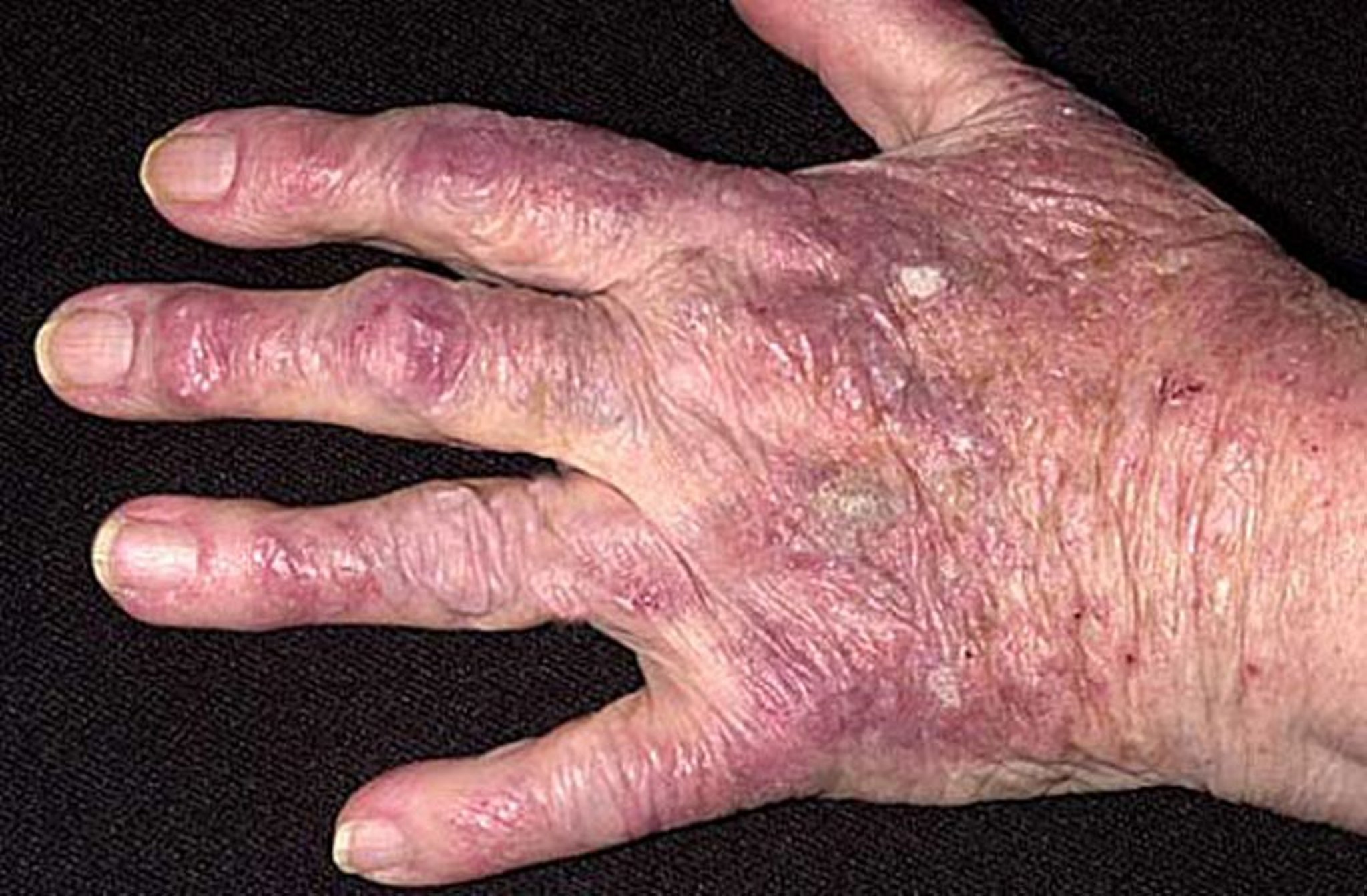
Dermatomyositis may manifest with a dusky, erythematous rash on the dorsum of the hand, including the radiodorsal aspects of the proximal interphalangeal and metacarpophalangeal joints (Gottron papules). Dermatomyositis has an increased risk of breast, lung, ovarian, and gastrointestinal cancers in adults over age 40.
Photo provided by Thomas Habif, MD.

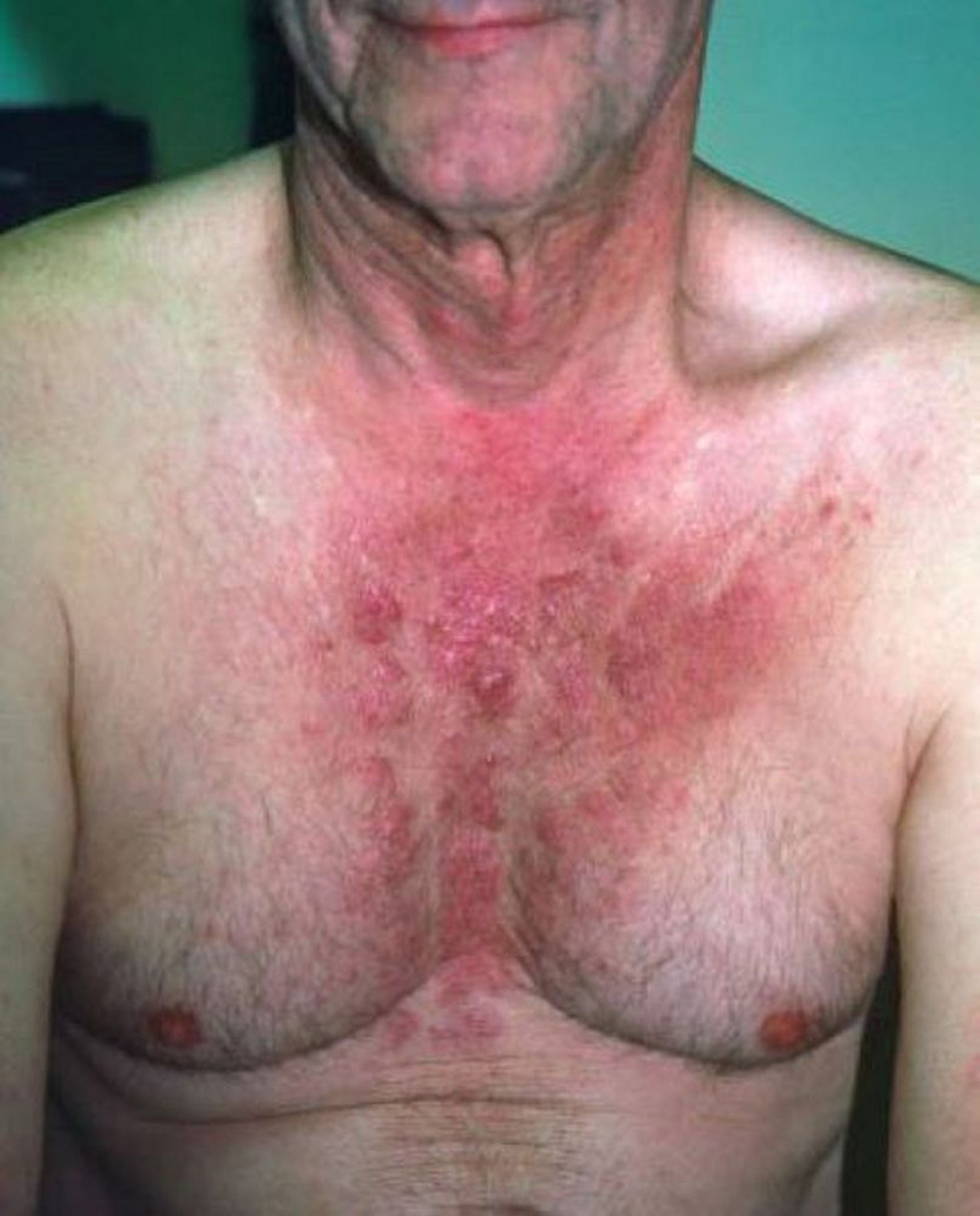
This photo shows the cutaneous manifestation dermatomyositis in a patient with colon cancer. The dusky, erythematous rash in the V of the neck and shoulders is characteristic of dermatomyositis.
Photo courtesy of Karen McKoy, MD.
Acute onset of multiple seborrheic keratoses (Leser-Trélat sign) may indicate underlying internal cancer, particularly adenocarcinoma. However, because of the high prevalence of seborrheic keratoses in healthy adults, this sign may be overdiagnosed.

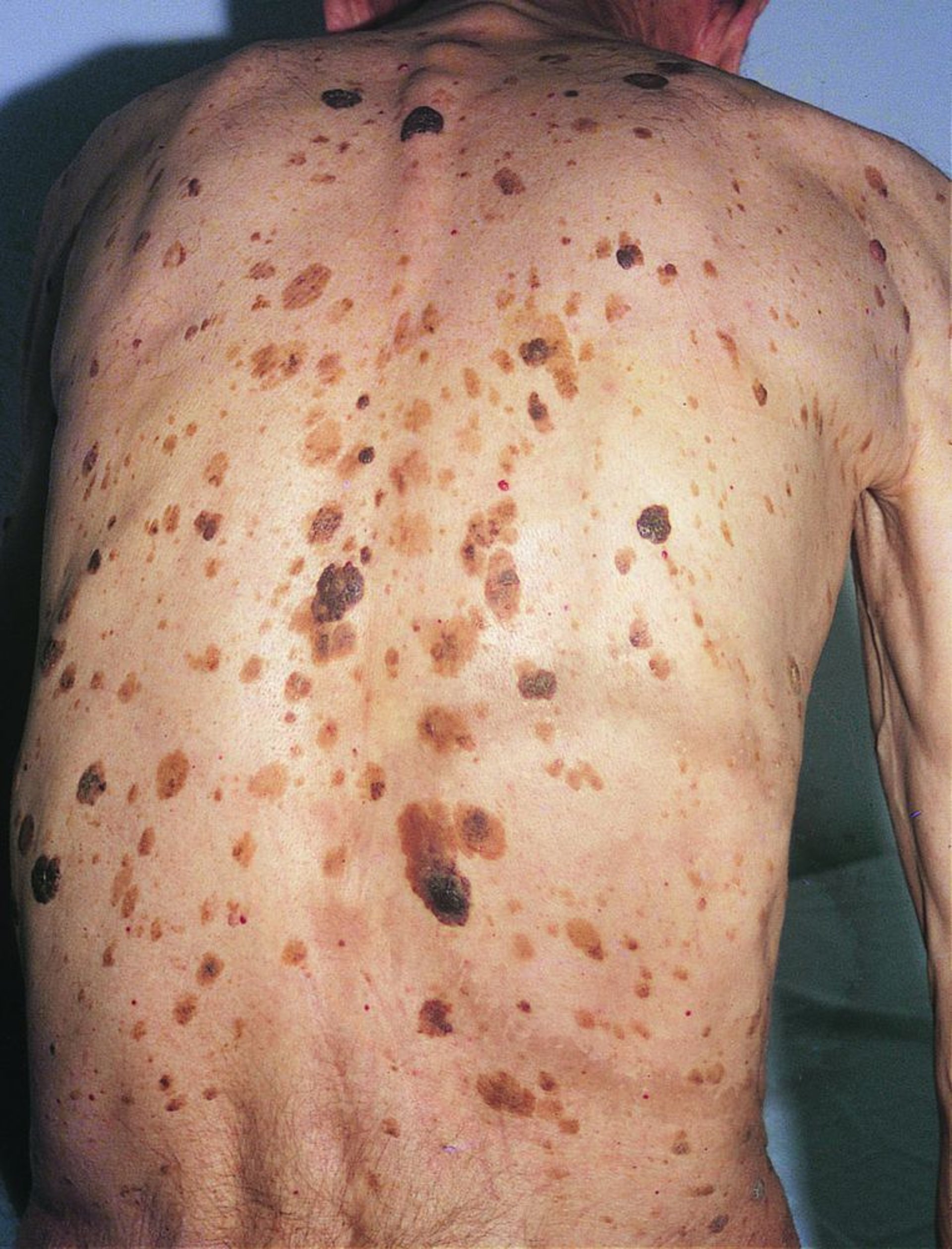
Leser-Trélat sign is the rapid onset of numerous seborrheic keratoses (benign, often pigmented skin lesions with a "stuck-on" appearance).
© Springer Science+Business Media
Acute febrile neutrophilic dermatosis (Sweet syndrome) is sometimes associated with hematologic cancer.
Acanthosis nigricans that is associated with cancer can be of rapid onset and particularly widespread. Acquired ichthyosis or pruritus without a clearly associated dermatitis may indicate occult cancer, often lymphoma.

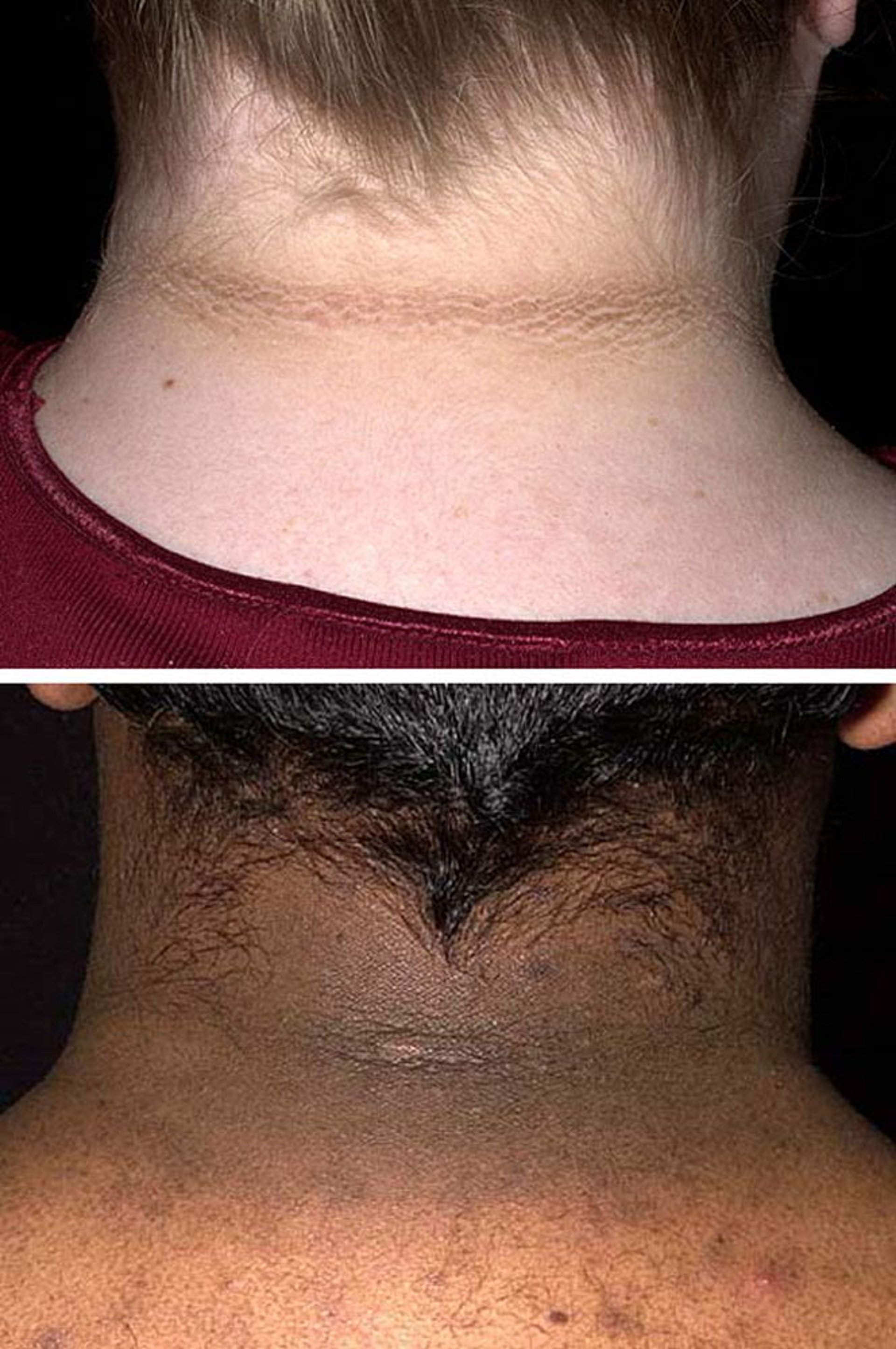
Acanthosis nigricans is skin thickening and pigmentation most typically developing in the axillae and nape of the neck (top); in people with dark skin, the skin may have a leathery appearance (bottom). It is most often a skin manifestation of impaired glucose tolerance, but it may also reflect internal cancer, especially if onset is rapid and distribution is widespread.
Photos provided by Thomas Habif, MD.
Paraneoplastic pemphigus is a relatively rare autoimmune blistering disease that has been associated with various cancers, including leukemias.
Carcinoid syndrome (flushing and erythema of the neck) is associated with carcinoid tumor.
Erythema gyratum repens is a rare eruption consisting of concentric erythematous lesions, resembling wood grain, which has been associated with various cancers.

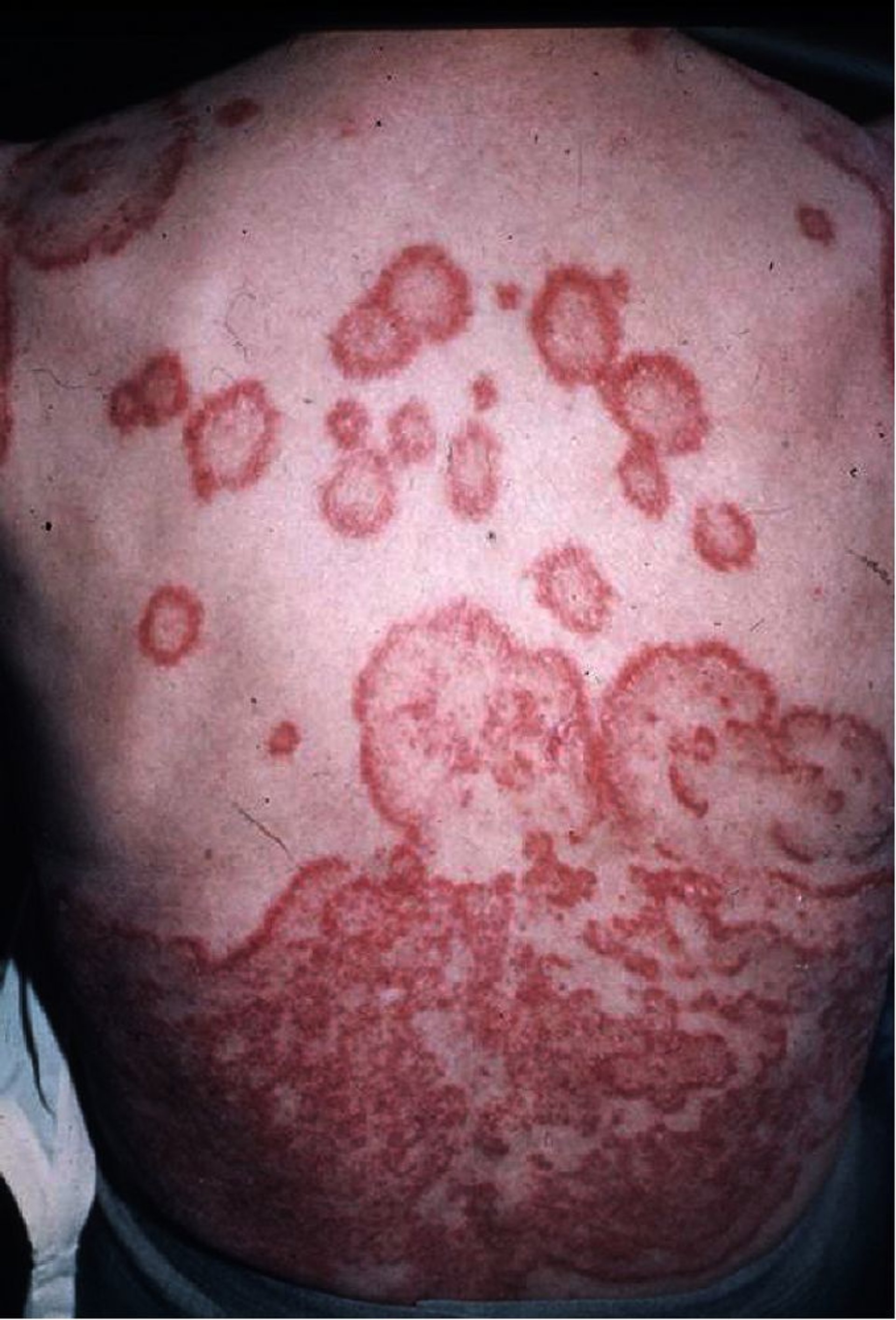
This photo shows erythema gyratum repens, which is a rare eruption consisting of concentric erythematous lesions resembling wood grain.
© Springer Science+Business Media
Ендокринопатії
Many skin findings are associated with endocrinopathies but are not specific.
Patients with diabetes mellitus may have acanthosis nigricans, necrobiosis lipoidica, perforating disorders, and scleredema (hard, thick skin, typically on the upper back, neck, and shoulders).

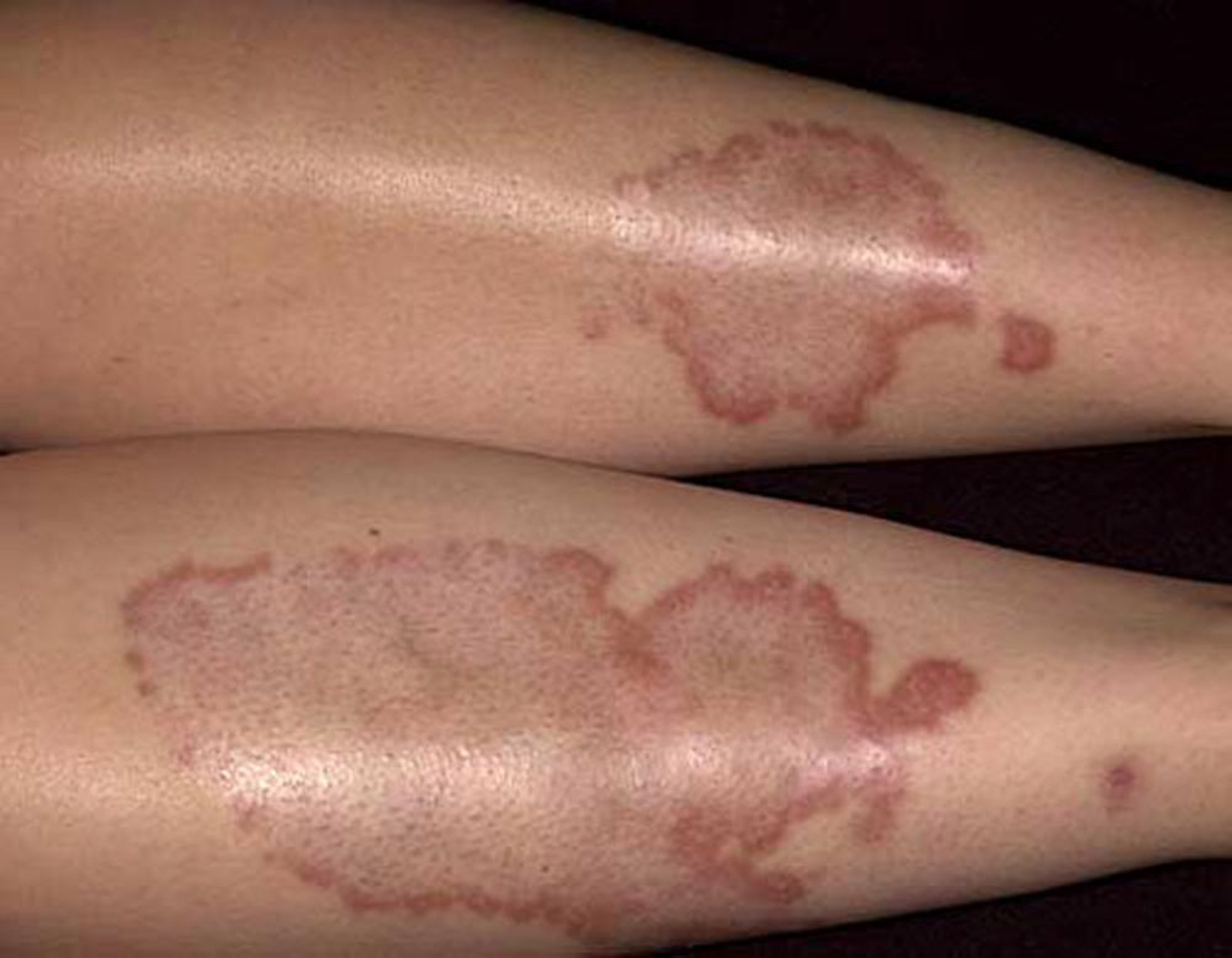
Necrobiosis lipoidica is characteristic but not diagnostic of diabetes. Lesions most often appear on the legs and begin as erythematous papules that develop into atrophic, waxy, and yellow or brown lesions.
Photo provided by Thomas Habif, MD.
Thyroid disease, both hypothyroidism and hyperthyroidism, can affect hair, nails, and skin.
Cushing syndrome causes striae distensae, moon facies, and skin fragility.
Addison disease is characterized by hyperpigmentation that is accentuated in skin creases and areas of trauma.
Шлунково-кишкові (ШК) розлади
Skin conditions commonly associated with GI disorders include
Pyoderma gangrenosum: Inflammatory bowel disease
Lichen planus and porphyria cutanea tarda: Hepatitis C infection
Diffuse hyperpigmentation in patients with diabetes (known as bronze diabetes): Hemochromatosis
Erythema nodosum: Inflammatory bowel disease, sarcoidosis, and various infections
Eruptive xanthomas: Elevated serum triglycerides

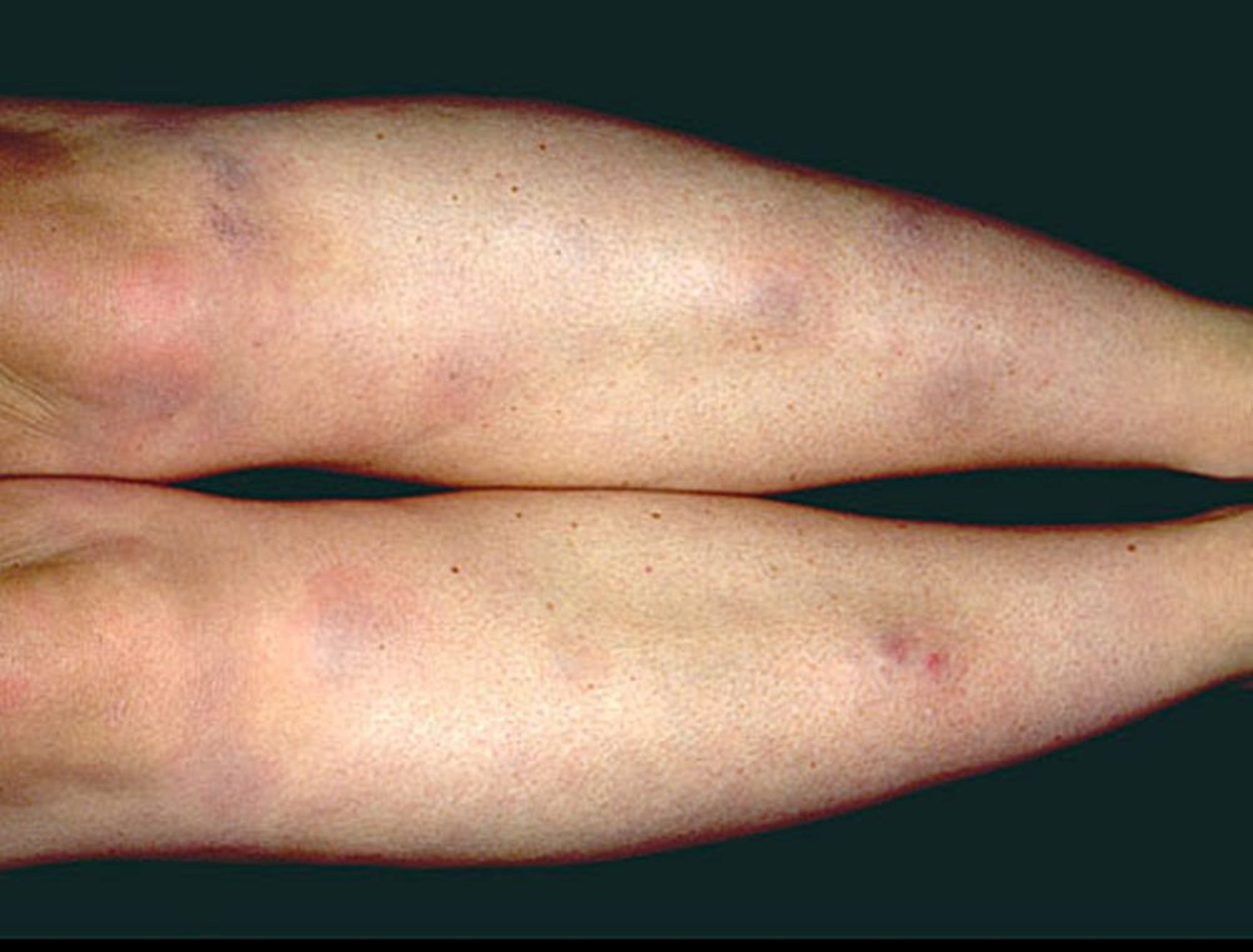
This photo shows characteristic tender, erythematous, subcutaneous nodules on the shins of a patient with erythema nodosum.
Photo provided by Thomas Habif, MD.

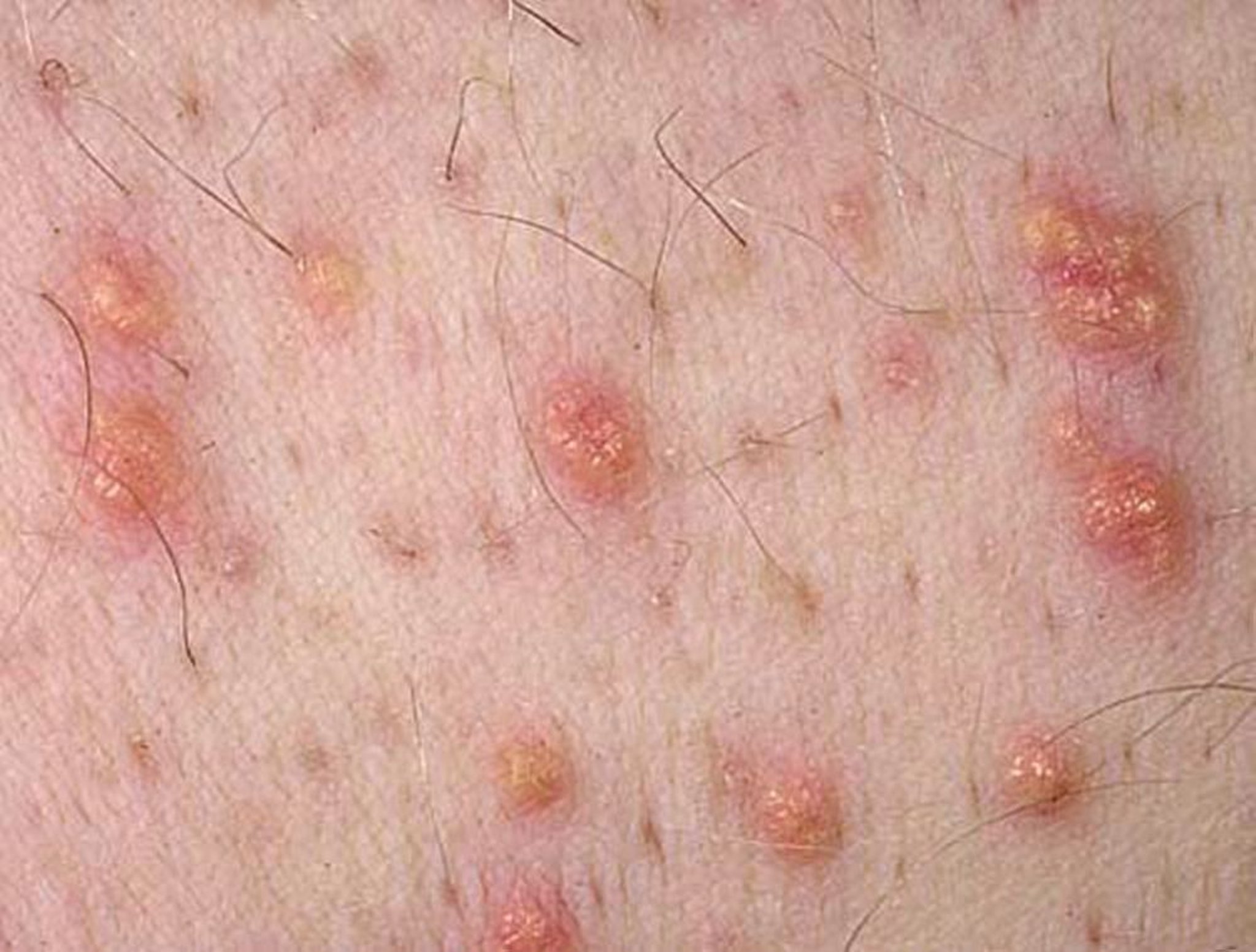
Eruptive xanthomas are skin manifestations of elevated triglyceride levels.
Photo provided by Thomas Habif, MD.