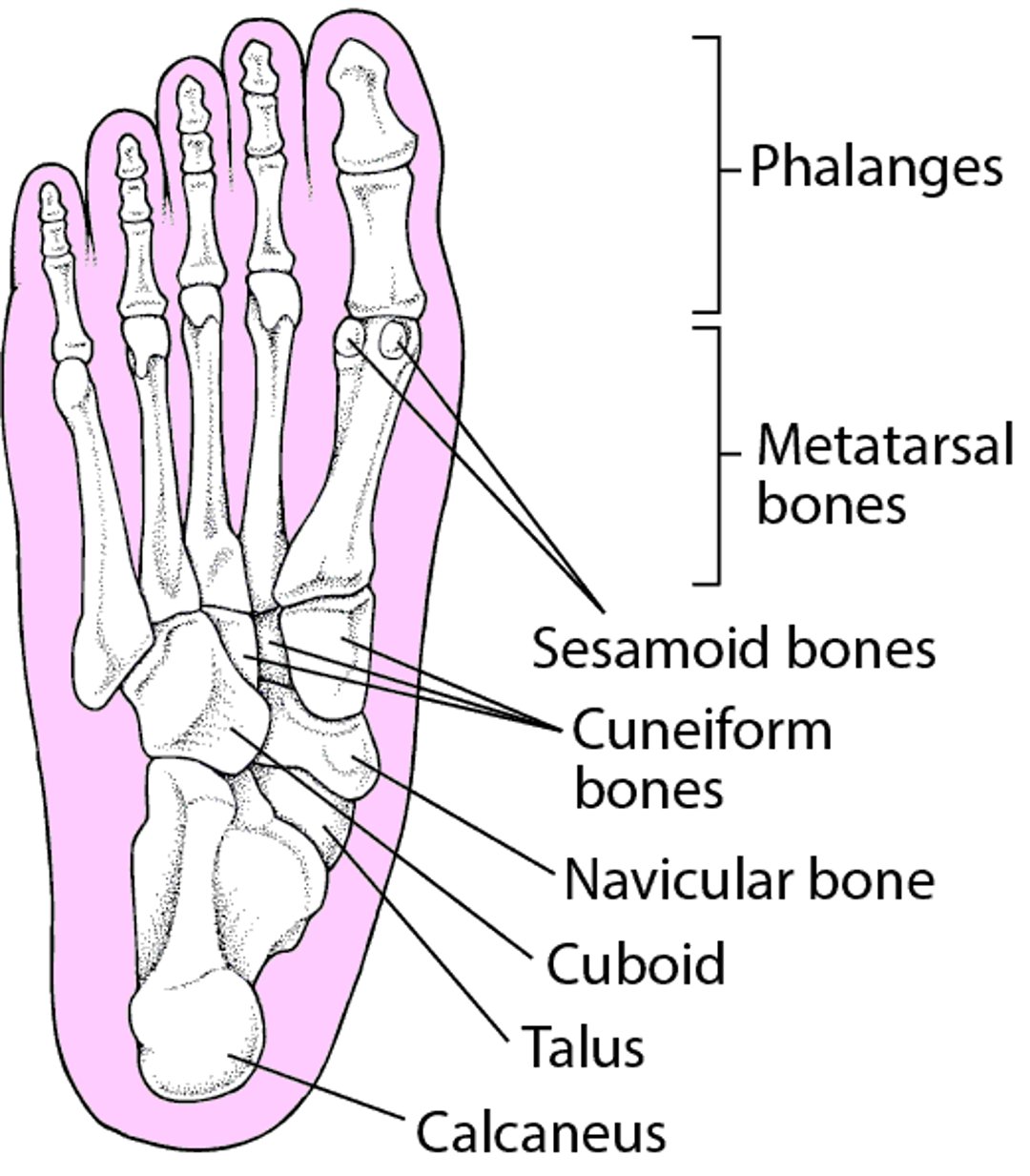
Ugonjwa wa mfupa wa Köhler ni kifo (nekrosisi) cha mfupa uliopo kwenye upinde wa mguu kinachosababishwa na kukosa au kupungua kwa usambazaji wa damu.
Ugonjwa wa mfupa wa Köhler ni osteokondrosisi. Osteochondrosis ni tatizo la viungo vya ndani maeneo ya ukuaji wa mifupa hilo hutokea wakati mtoto anakua kwa kasi.
Ugonjwa wa mfupa wa Köhler ni nadra. Kwa kawaida huathiri watoto wenye umri wa miaka 3 hadi 5 (zaidi sana wavulana) na kwa kawaida huathri mguu mmoja tu.
Ugonjwa huu unasababishwa na usambazaji duni wa damu kwenye mfupa wa upinde wa mguu. Usambazaji duni wa damu husababisha na mfupa kufa na kuanguka. Sababu ya usambazaji wa damu kuwa duni haijulikani.
Katika ugonjwa wa mfupa wa Köhler, mguu unavimba na unakuwa na maumivu na upinde wa mguu unakuwa laini. Kuweka uzito kwenye mguu na kutembea kunaongeza maumivu na namna ya mtoto ya kutembea inaathiriwa.
Mifupa ya Kanyagio

Utambuzi wa Ugonjwa wa Mfupa wa Köhler
Eksirei
Eksirei ya mguu inaonyesha kwamba mfupa wa uvungu wa mguu tangu mwanzo umekuwa umenyooka na kuwa mgumu. Baadaye eksirei zinaonyesha mfupa umevunjika katika vipandevipande kabla haujapona na kuwa mfupa mgumu.
Kulinganisha eksirei za upande ulioathirika na upande ambao haujaathirika husaidia madaktari kutathmini ugonjwa huo umeendelea kwa kiwango gani.
Matibabu ya Ugonjwa wa Mfupa wa Köhler
Kupumzika na dawa za kupunguza maumivu
Wakati mwingine plasta.
Watoto wanapaswa wapumzike na wapokee dawa za kuondoa maumivu (kama vile ibupfrofen). Hawapaswi kukanyagia mguu kwa kadiri inavyowezekana.
Kutembea kwa kuvaa plasta kwa wiki kadhaa kunaweza kusaidia baadhi ya watoto. Plsta hii inapunguza kubeba uzito na kufanya mguu usitembee, kwa hivyo kupunguza maumivu. Plasta inaanza chini ya goti na kuendelea hadi chini ya vidole vya mguu, ikiwa ni pamoja na mguu na kifundo. Magongo mara nyingi hayahitajiki kukiwa na plasta ya kutembelea.
Ugonjwa wa mfupa wa Köhler ni nadra sana unadumu kwa zaidi ya miaka 2. Kwa kawaida unaisha wenyewe na hausababishi madhara yoyote ya muda mrefu.