Myocarditis is inflammation of the muscle tissue of the heart (myocardium) that can cause symptoms such as chest pain or difficulty breathing, increase the risk for heart rhythm problems during exercise, and often cause tissue damage and scarring in the myocardium.
Myocarditis may be caused by many disorders, including infection, toxins and medications that affect the heart, and systemic (bodywide) disorders such as sarcoidosis, but often the cause is unknown.
Symptoms can vary and can include fatigue, shortness of breath, swelling (edema), awareness of heart beats (palpitations), chest pain, and sudden death.
Diagnosis is based on electrocardiography (ECG), blood tests, imaging of the heart (MRI and echocardiography), and sometimes biopsy of the heart muscle.
Treatment depends on the cause and includes medications to treat heart failure and arrhythmias and rarely surgery.
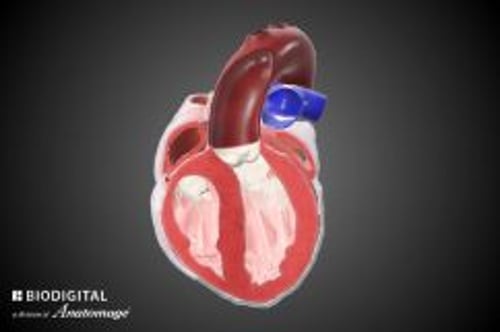
Inflammation can be spread throughout the heart muscle or confined to one or a few areas. If inflammation extends into the pericardium (the flexible 2-layered sac that envelops the heart), the condition is called perimyocarditis. Inflammatory disease that affect the heart muscle and pericardium are also called inflammatory myopericardial syndromes. The extent of myocardial involvement and extension into the pericardium can determine the type of symptoms. Inflammation that is spread throughout the heart may cause heart failure, abnormal heart rhythms, and sometimes sudden cardiac death. Less widespread inflammation is less likely to cause heart failure but can still cause abnormal heart rhythms and sudden cardiac death. Involvement of the pericardium leads to chest pain and other symptoms typical of pericarditis. Some people have no symptoms.
Causes of Myocarditis
Myocarditis may result from infectious or noninfectious causes. In many cases, the cause is unable to be identified (idiopathic).
In the United States and most other high-resource nations, infectious myocarditis is most often caused by a viral infection, especially in children. The most common viral causes in the United States are parvovirus B19 and human herpesvirus 6. SARS-CoV-2, the virus that causes COVID-19, also sometimes causes myocarditis. In lower resource areas, infectious myocarditis is most often caused by rheumatic fever, Chagas disease, or human immunodeficiency virus (HIV) infection.
Noninfectious causes include substances that are toxic to the heart (such as alcohol and cocaine), certain medications, and some autoimmune and inflammatory disorders. Myocarditis caused by medications is termed hypersensitivity myocarditis. Myocarditis may also occur, rarely, after mRNA-based COVID-19 vaccination, mostly in adolescent and young adult males within a week of vaccination.
Causes of Myocarditis
Cause | Examples |
|---|---|
Viral infections | Human herpes virus 6 Enteroviruses, including coxsackie B virus Coronaviruses, including SARS-CoV-2 |
Bacterial infections | |
Parasitic infections | |
Fungal infections | |
Autoimmune disorders | |
Inflammatory disorders | |
Cardiotoxins | Alcohol Cocaine |
Medications | ClozapineClozapine Immune checkpoint inhibitors (for example, atezolizumab, ipilimumab, nivolumab, pembrolizumab)Immune checkpoint inhibitors (for example, atezolizumab, ipilimumab, nivolumab, pembrolizumab) Penicillins Some diuretics |
Radiation therapy | — |
Idiopathic (the cause is unknown) | — |
Giant cell myocarditis
Giant cell myocarditis is a rare, severe form of myocarditis that has a rapid onset and is often severe. The cause is unclear but may be autoimmune. A biopsy is done for diagnosis.
In people with giant cell myocarditis, the heart is suddenly unable to pump enough blood to support the body's functions (called cardiogenic shock). People also frequently have abnormal heart rhythms that are hard to correct.
Giant cell myocarditis has a poor prognosis but immunosuppressive treatments can help improve survival.
Symptoms of Myocarditis
People may have only a few symptoms or have severe and rapidly progressing heart failure and severe heart rhythm abnormalities. People of all ages may experience symptoms of an infection, upper respiratory symptoms, or other nonspecific illness, that occurred 1 to 4 weeks before the onset of myocarditis symptoms. They may report a history of exposure to a toxin or medication known to cause myocarditis. Symptoms depend on the cause of the myocarditis as well as the extent and severity of inflammation. Young children may have mild symptoms such as slightly increased breathing rate or sweating with feeds despite severe heart failure.
Heart failure symptoms may include fatigue, shortness of breath, and swelling (edema).
Some people may have an awareness of heartbeats (palpitations) or fainting. In some people, the first symptom is a sudden, severe abnormal heart rhythm.
When inflammation of the pericardium occurs along with myocarditis (called perimyocarditis), people may have chest pain that is usually made worse by movement of the chest such as coughing, breathing. Dull or sharp pain may spread to the neck, back, or shoulders. Pain ranges from mild to severe. Chest pain due to pericarditis. Pain is often relieved by sitting up and leaning forward.
People with infectious myocarditis may have symptoms of the infection, such as fever and muscle aches before myocarditis develops. Medication-related or hypersensitivity myocarditis may be accompanied by a rash. Some people may have enlarged lymph nodes.
Myocarditis can be acute, subacute or chronic. In some cases, myocarditis can lead to dilated cardiomyopathy, a chronic condition in which the heart is enlarged and does not function normally.
Diagnosis of Myocarditis
Blood tests
Cardiac imaging (echocardiography and cardiac magnetic resonance imaging [MRI])
Electrocardiography (ECG)
Sometimes, endomyocardial biopsy
Tests to identify cause
Doctors suspect myocarditis when otherwise healthy people with no risk factors for heart disease have symptoms of heart failure or abnormal heart rhythms.
Doctors draw blood tests to measure levels of cardiac biomarkers (substances that are present when the heart is damaged).
Echocardiography can show abnormalities of heart function in people with myocarditis.
Cardiac magnetic resonance imaging can evaluate heart function as well as inflammation in people with myocarditis. It is also useful for tracking progress during the recovery from myocarditis, for identifying scarring in the heart that results from the inflammation of myocarditis, and for looking for fluid around the heart.
ECG is done to look for evidence of a heart rhythm problem, heart chamber enlargement, or other problems that can be caused by myocarditis. Cardiac MRI is often the imaging test that will allow the definitive diagnosis of myocarditis.
Endomyocardial biopsy in which a doctor takes a sample of tissue from the inner wall of the heart to examine under a microscope, can be done to confirm myocarditis. Biopsy is not always performed, but is necessary for certain types of myocarditis or if the diagnosis is unclear and symptoms are severe. Because a diagnosis depends on the doctor obtaining a tissue sample from an area that shows the disease, endomyocardial biopsy may not be the best test for diagnosing myocarditis. Therefore, if endomyocardial biopsy shows evidence of myocarditis, the disorder is confirmed, but just because a tissue sample does not show signs of myocarditis does not mean doctors can eliminate this diagnosis. In addition, because endomyocardial biopsy carries risks of severe complications, including a tear in the wall of the heart and death, it is not routinely done unless doctors suspect giant cell myocarditis (because prompt treatment of giant cell myocarditis may be life saving) or if myocarditis causes severe heart failure or heart rhythm abnormalities.
Diagnosis of cause
After myocarditis is diagnosed, tests to determine the cause are done. In a young, previously healthy adult who has a viral infection and myocarditis, an extensive evaluation is usually not necessary.
A complete blood count is helpful to look for certain types of white blood cells (eosinophils), which are present in large numbers in people with hypersensitivity myocarditis usually due to a medication allergy.
Cardiac catheterization or coronary artery CT scan may be useful for ruling out a decrease in blood flow to the heart because myocarditis can mimic a heart attack.
In other cases, a biopsy of heart tissue may be needed to establish a diagnosis.
Other tests, including tests for autoimmune disorders, human immunodeficiency virus infection, histoplasmosis, and other infections, may be needed. Sometimes genetic testing is needed.
Treatment of Myocarditis
Treatment of heart failure and abnormal heart rhythms
Treatment of underlying disorder
Treatment of heart failure includes medications to relieve symptoms. In some cases of heart failure, a surgery such as placement of a left ventricular assist device (LVAD) or heart transplantation may be necessary. Long-term medication treatment of heart failure is needed.
Abnormal heart rhythms are treated with antiarrhythmic therapy. Sometimes a pacemakeror implantable cardioverter-defibrillator is needed if abnormal heart rhythms persist.
Antibiotics or medications to treat other types of infections may sometimes be given if myocarditis is caused by an infection.
When a medication or toxin causes myocarditis, the causative substance is stopped and steroids (sometimes called glucocorticoids or corticosteroids) are given. Other specific causes for myocarditis (giant cell myocarditis, immune checkpoint inhibitor myocarditis, sarcoidosis, and other autoimmune causes) are treated with steroids and/or other immunosuppressive medications.