
Because the digestive system has a lot of reserve built into it, aging has less effect on its function than it does on the function of other organ systems. Nonetheless, aging is a factor in several digestive system disorders. In particular, older adults are more likely to develop diverticulosis and to have digestive tract disorders (for example, constipation—see Large intestine and rectum) as a side effect of taking certain medications. Also, changes in the gut microbiome (all the bacteria, viruses, protozoa, and fungi that live in the digestive tract) with age may be connected to overall healthy aging and may affect obesity, metabolic disorders, inflammation, cancer, depression, or other health issues.
Mwonekano wa Mfumo wa Umeng’enyaji

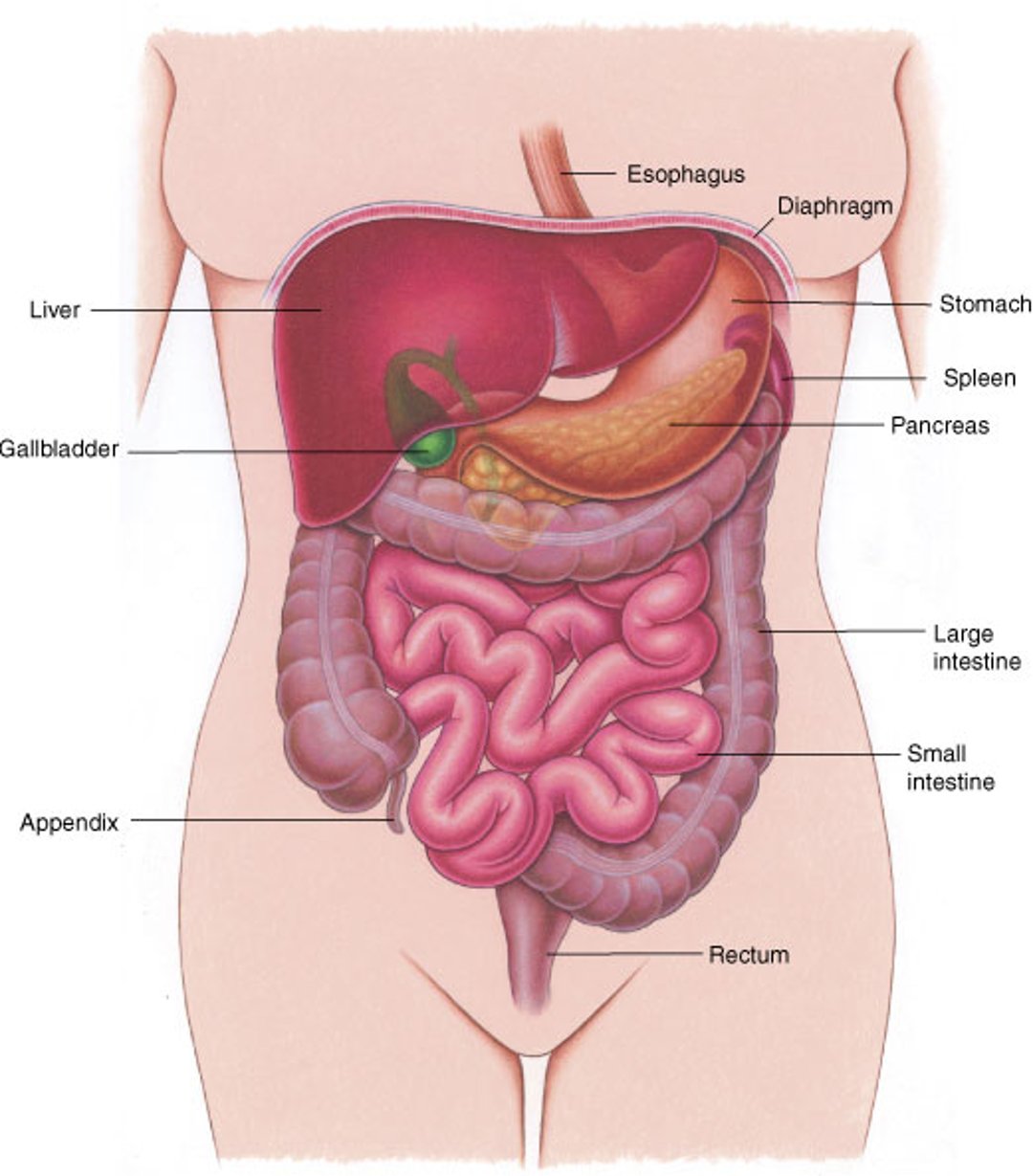
(See also Overview of the Digestive System.)
Umio
With age, the strength of esophageal contractions and the tension in the upper esophageal sphincter decrease (called presbyesophagus), but the movement of food is not impaired by these changes. However, some older adults can be affected by diseases that interfere with esophageal contractions.
Tumbo
With age, the stomach lining's capacity to resist damage decreases, which in turn may increase the risk of peptic ulcer disease, especially in people who use aspirin and other nonsteroidal anti-inflammatory drugs (NSAIDs). Also with age, the stomach cannot accommodate as much food (because of decreased elasticity), and the rate at which the stomach empties food into the small intestine decreases. However, these changes typically do not cause any noticeable symptoms. Aging has little effect on the secretion of stomach juices such as acid and pepsin, but conditions that decrease acid secretion, such as atrophic gastritis, become more common. These conditions can result in subsequent problems such as vitamin B12 deficiency or small intestinal bacterial overgrowth.
Utumbo mdogo
Aging has only minor effects on the structure of the small intestine, so movement of contents through the small intestine and absorption of most nutrients do not change much. However, lactase (the enzyme that helps digest lactose) levels decrease, leading to intolerance of dairy products by many older adults (lactose intolerance). Excessive growth of certain bacteria (small intestinal bacterial overgrowth) becomes more common with age and can lead to pain, bloating, and weight loss. Bacterial overgrowth may also lead to decreased absorption of certain nutrients, such as vitamin B12, iron, and calcium.
Kongosho, ini, na kibofu cha nduru
With age, the pancreas decreases in overall weight, and some tissue is replaced by scarring (fibrosis). However, these changes do not decrease the ability of the pancreas to produce digestive enzymes and sodium bicarbonate. As the liver and gallbladder age, a number of structural and microscopic changes occur (see also Effects of Aging on the Liver).
Utumbo mkubwa na puru
The large intestine does not undergo much change with age. The rectum does enlarge somewhat. Constipation becomes more common (see also Constipation: Essentials for Older Adults), which is caused by many factors:
A slight slowing in the movement of contents through the large intestine
A modest decrease in the contractions of the rectum when filled with stool
More frequent use of medications that can cause constipation
Often less exercise or physical activity
Pelvic floor weakness in older women
Pelvic floor weakness in older women can also contribute to fecal incontinence.