Wheezing is a relatively high-pitched whistling sound that occurs during breathing when the airways are partially blocked or narrowed.
Wheezing is caused by a narrowing of the airways.
Other symptoms depend on the cause and may include cough, fever, and runny nose.
The diagnosis of the cause is based on chest x-rays and sometimes other tests.
Treatment can include bronchodilators and steroids.
(See also Wheezing in adults.)
Inside the Lungs and Airways

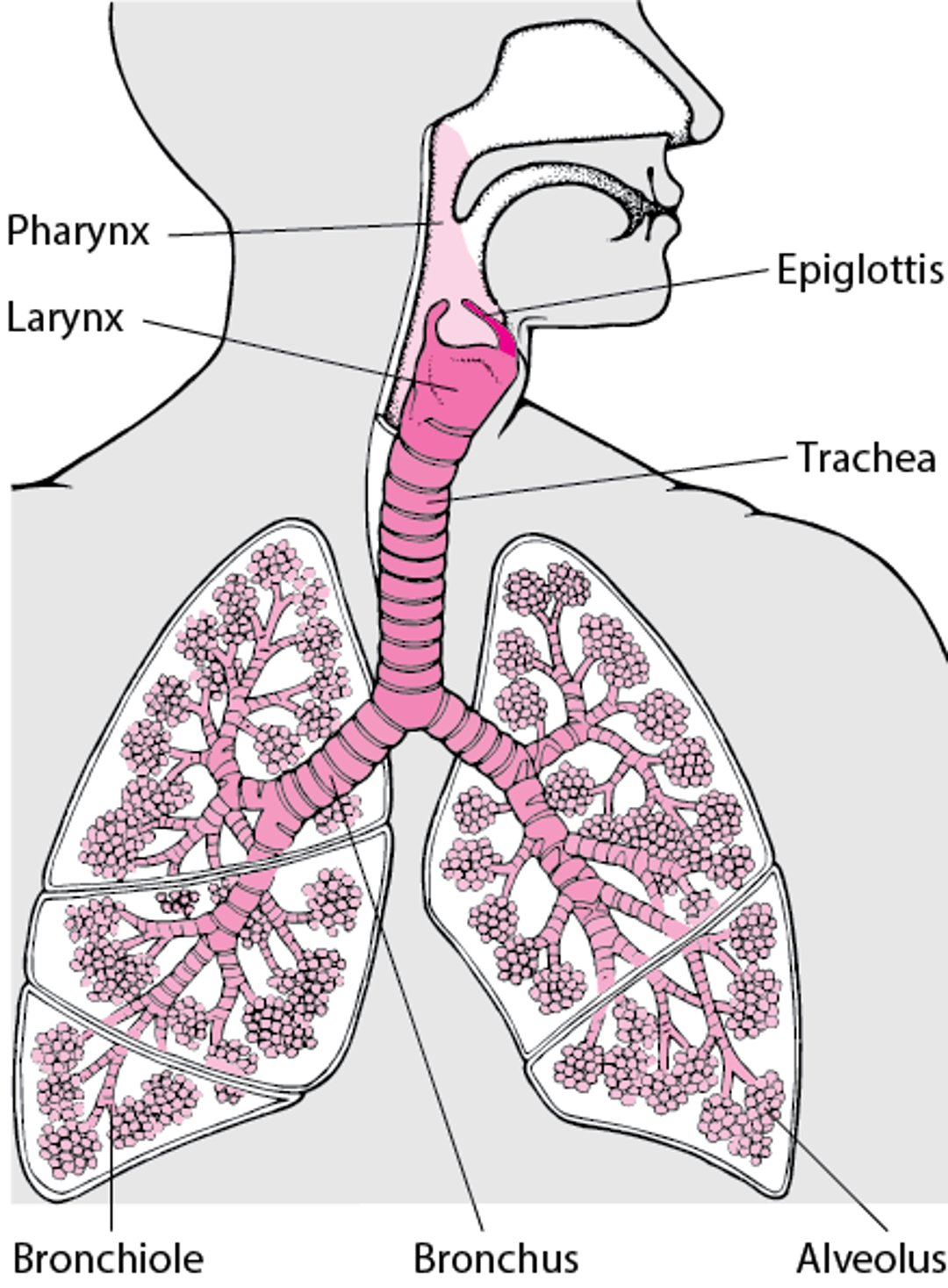
Wheezing is caused by a narrowing or blockage (obstruction) of the airways. The narrowing can be caused by 1 or more of the following:
Swelling of the tissues in the airways
Spasm of the tiny muscles in the walls of the airways (bronchospasm)
Accumulation of mucus in the airways
Recurring episodes of wheezing are relatively common in the first few years of life. Until recently, doctors diagnosed these episodes as asthma because, like asthma, the wheezing could be relieved by inhaling medications that open the airways (bronchodilators) and because many older children and adults who have asthma first developed symptoms in childhood. Now, however, doctors know that only some infants and young children who have such episodes of wheezing develop asthma in later childhood or adolescence. In other children, wheezing episodes are temporary and stop by 6 to 10 years of age. Doctors do not diagnose these children as having asthma and look for other causes for their recurring episodes of wheezing.


Did You Know...
|

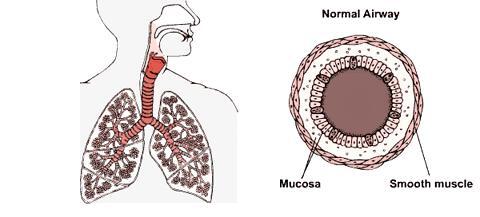
Children who are more likely to develop asthma include children who have 1 or more of the following risk factors:
Certain rashes (such as eczema)
More severe wheezing episodes
Family members with asthma
A family tendency to have many allergies
Wheezing with viral illnesses (particularly those caused by respiratory syncytial virus and human metapneumovirus)
Causes of Wheezing in Infants and Young Children
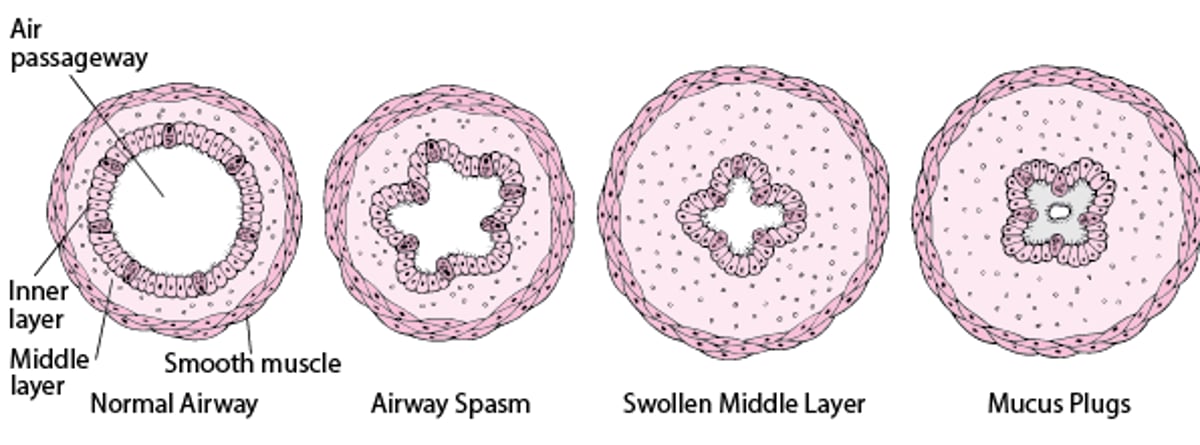
How Airways Narrow
During an asthma attack, the smooth muscle layer goes into spasm, narrowing the airway. The middle layer swells because of inflammation, and excessive mucus is produced. In some segments of the airway, mucus forms plugs that nearly or completely block the airway. |

The most common cause of a single, sudden episode of wheezing in infants and young children is usually a:
Viral respiratory infection
The cause of recurrent wheezing in young children can often be unclear.
Common causes of recurring episodes of wheezing are:
Frequent viral lung infections
Allergies
Less common causes of recurring wheezing include chronic difficulty swallowing that causes recurring inhalation of food or liquids into the lungs (aspiration), gastroesophageal reflux, a foreign object in the lungs, or heart failure.
Whatever the initial cause of the wheezing, symptoms are often worsened by allergies or inhaled irritants (such as tobacco smoke).
Symptoms of Wheezing in Infants and Young Children
Wheezing is often accompanied by a recurring cough that is dry or brings up sputum (also called phlegm). Other symptoms depend on the cause and may include fever (caused by pneumonia), runny nose (caused by a cold or allergies), and feeding difficulties (caused by heart failure or difficulty swallowing).
A high-pitched wheezing sound is heard when the child breathes out. If airway narrowing is severe, the wheezing sound can also be heard when the child breathes in. Very ill children may also breathe rapidly, use a lot of their chest muscles to breathe, and have flaring of the nostrils and a bluish or grayish discoloration of the skin (cyanosis).
Diagnosis of Wheezing in Infants and Young Children
Chest x-rays
Rarely swallowing studies, computed tomography, or bronchoscopy
For a first episode of severe wheezing, most doctors do a chest x-ray to look for signs of a foreign object in the lungs, pneumonia, or heart failure. Doctors measure oxygen levels in the blood by placing a sensor on a finger or toe (pulse oximetry).
For children with recurring episodes of wheezing, flare-ups typically do not require testing unless there are signs of severe breathing problems. Children who have frequent or severe flare-ups or symptoms that are not relieved by bronchodilators or other asthma medications may need other tests such as swallowing studies, computed tomography (CT scan), or bronchoscopy.
Treatment of Wheezing in Infants and Young Children
For flare-ups, bronchodilators and sometimes steroids (sometimes called glucocorticoids or corticosteroids)
For severe wheezing, daily use of bronchodilators and anti-inflammatory medications used for asthma
When infants and young children have flare-ups of wheezing, they are given inhaled medications that open the airways called bronchodilators (such as albuterol) and, if the wheezing is severe, steroids (such as prednisone) given by mouth or vein. When infants and young children have flare-ups of wheezing, they are given inhaled medications that open the airways called bronchodilators (such as albuterol) and, if the wheezing is severe, steroids (such as prednisone) given by mouth or vein.
Children who are unlikely to develop persistent asthma, such as children who do not have signs of allergies or a family history of allergies or asthma, and whose episodes of wheezing are relatively mild and infrequent usually require only inhaled bronchodilators used as needed to control their symptoms.
Most young children with more frequent and/or severe episodes of wheezing are helped by as-needed use of bronchodilators and by daily use of anti-inflammatory medications (inhaled steroids such as beclomethasone) that are used for asthma (see Most young children with more frequent and/or severe episodes of wheezing are helped by as-needed use of bronchodilators and by daily use of anti-inflammatory medications (inhaled steroids such as beclomethasone) that are used for asthma (seetreatment of chronic asthma). Although daily use of a leukotriene modifier (such as montelukast or zafirlukast) or an inhaled steroid decreases the severity and frequency of episodes of wheezing, these medications do not cure wheezing.). Although daily use of a leukotriene modifier (such as montelukast or zafirlukast) or an inhaled steroid decreases the severity and frequency of episodes of wheezing, these medications do not cure wheezing.