Teeth grinding (bruxism) is clenching or grinding the teeth.
Teeth grinding is a rhythmic behavior that can occur during sleep (called sleep bruxism) and while awake (awake bruxism). People who have obstructive sleep apnea and/or stress- and anxiety-related disorders may be at risk for teeth grinding. Teeth grinding eventually wears down and damages teeth, causing some of them to loosen. Artificial dental crowns (made of gold, porcelain, or both) can be fractured, perforated, and damaged, although if porcelain is on the chewing surface, the opposing tooth may be the one that wears. Some, but not all, people also develop headaches and neck and/or jaw pain because of the repeated muscle tightening. This can sometimes be related to temporomandibular myofascial pain syndrome.
People who grind and clench their teeth usually do not do so intentionally. The clenching is unconscious and is usually most severe during sleep. Even though they are asleep, people may clench down with a force of up to 250 pounds (1,700 kilopascals) because there is no active protective feedback mechanism. People may not be aware that they clench their teeth, but family members often notice.
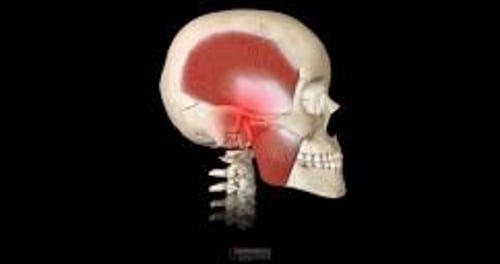
Treatment of Teeth Grinding
While awake, avoidance of grinding the teeth and sometimes use of guards
While asleep, wearing of night guards
While awake, people must consciously try not to clench their teeth. While sleeping, they can wear plastic oral appliances (night guards) that fit between the teeth. The night guards prevent the teeth from grinding together. People with severe teeth grinding and clenching may also need to wear the guards during the day, both to protect the teeth and to remind the person to not clench the teeth. Usually, these appliances are made by a dentist and adjusted to the person's needs. For some people, such as those whose only problem is tooth wear, dentists may recommend use of an over-the-counter guard that can be heat-molded at home (like tooth guards for athletes). People should have a dental evaluation before using such devices.
More Information
The following English-language resource may be useful. Please note that The Manual is not responsible for the content of this resource.