Cardiomyopathy refers to progressive impairment of the structure and function of the muscular walls of the heart chambers.
There are 5 main types of cardiomyopathy:
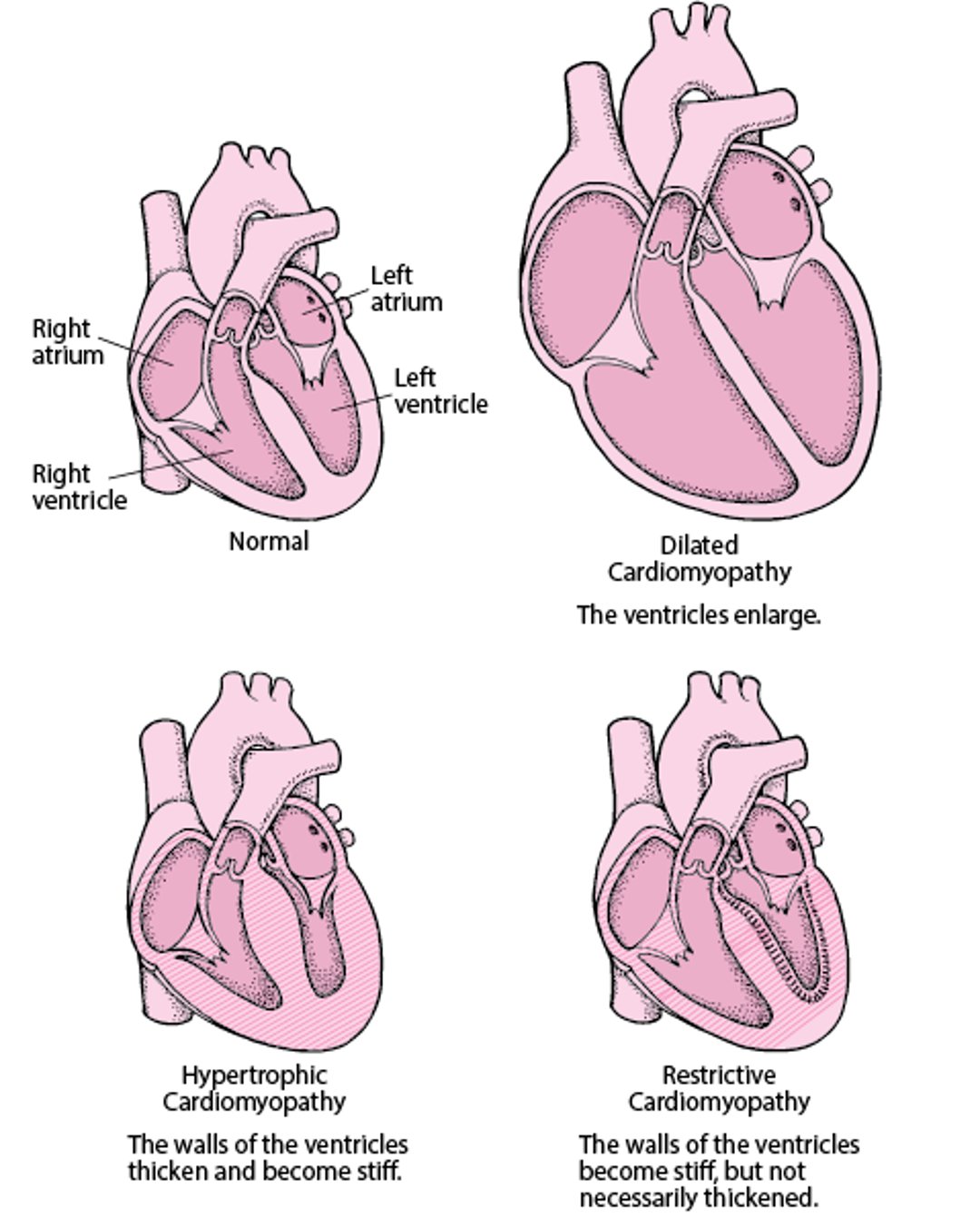
Dilated cardiomyopathy, in which the ventricles (the 2 lower heart chambers) enlarge (dilate)
Hypertrophic cardiomyopathy, in which the walls of the ventricles thicken and become stiff
Restrictive cardiomyopathy, in which the walls of the ventricles become stiff but not necessarily thickened
Non-dilated left ventricular cardiomyopathy

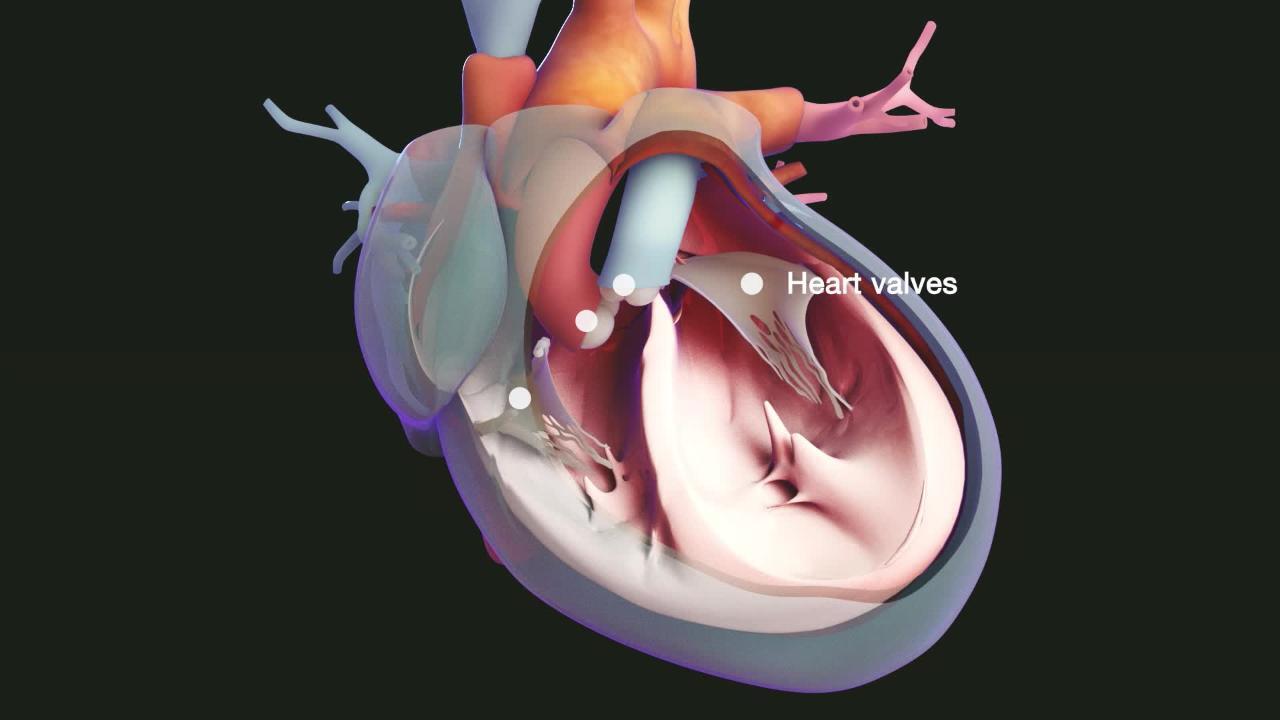
The 3 most common types are dilated, hypertrophic, and restrictive cardiomyopathy. Arrhythmogenic cardiomyopathy, which can cause abnormal heart rhythms (arrhythmias), and non-dilated left ventricular cardiomyopathy, in which the left ventricle is abnormal but not enlarged, are rarer. The features of different types of cardiomyopathy may overlap, that is, people may have features of more than one type.
The term cardiomyopathy is used only when a disorder directly affects the heart muscle. Other heart disorders such as coronary artery disease and heart valve disorders, as well as high blood pressure, also can eventually cause the ventricles to enlarge or thicken. However, when heart weakness is caused by one of these conditions, it is not referred to as cardiomyopathy.
Types of Cardiomyopathy
There are 3 main types of cardiomyopathy—dilated, hypertrophic, and restrictive. |

Cardiomyopathy can be caused by many disorders, or it may have no identifiable cause.
Cardiomyopathies often cause the heart to not pump blood adequately or to not fill well enough to meet the body's needs. Inadequate blood pumping and inadequate filling of the heart can cause symptoms of heart failure, including shortness of breath and fatigue. Some cardiomyopathies may also cause chest pain, fainting, abnormal heart rhythms, or sudden death.
To diagnose a cardiomyopathy, doctors ask whether the person has a family history of cardiomyopathy and then do blood tests, electrocardiography, chest x-ray, echocardiography, and usually magnetic resonance imaging of the heart. In some people, doctors take a sample of tissue from the inner wall of the heart to examine under a microscope (endomyocardial biopsy). Other tests are done as needed to determine the cause.
Treatment depends on the specific type and cause of cardiomyopathy.
More Information
The following English-language resource may be useful. Please note that The Manual is not responsible for the content of this resource.