Crohn disease is a chronic transmural inflammatory bowel disease that usually affects the distal ileum and colon but may occur in any part of the gastrointestinal tract. Symptoms include diarrhea and abdominal pain. Abscesses, internal and external fistulas, and bowel obstruction may arise. Extraintestinal symptoms, particularly arthritis, may occur. Diagnosis is by colonoscopy and imaging studies. Treatment varies with disease severity. Mild disease may be treated with budesonide. Moderate to severe disease treatment may include glucocorticoids, immunomodulators, biologics, small molecules, and often surgery.Crohn disease is a chronic transmural inflammatory bowel disease that usually affects the distal ileum and colon but may occur in any part of the gastrointestinal tract. Symptoms include diarrhea and abdominal pain. Abscesses, internal and external fistulas, and bowel obstruction may arise. Extraintestinal symptoms, particularly arthritis, may occur. Diagnosis is by colonoscopy and imaging studies. Treatment varies with disease severity. Mild disease may be treated with budesonide. Moderate to severe disease treatment may include glucocorticoids, immunomodulators, biologics, small molecules, and often surgery.
(See also Overview of Inflammatory Bowel Disease.)
Pathophysiology of Crohn Disease
Crohn disease begins with crypt inflammation and abscesses, which progress to tiny focal aphthoid ulcers. These mucosal lesions may develop into deep longitudinal and transverse ulcers with intervening mucosal edema, creating a characteristic cobblestoned appearance to the bowel.

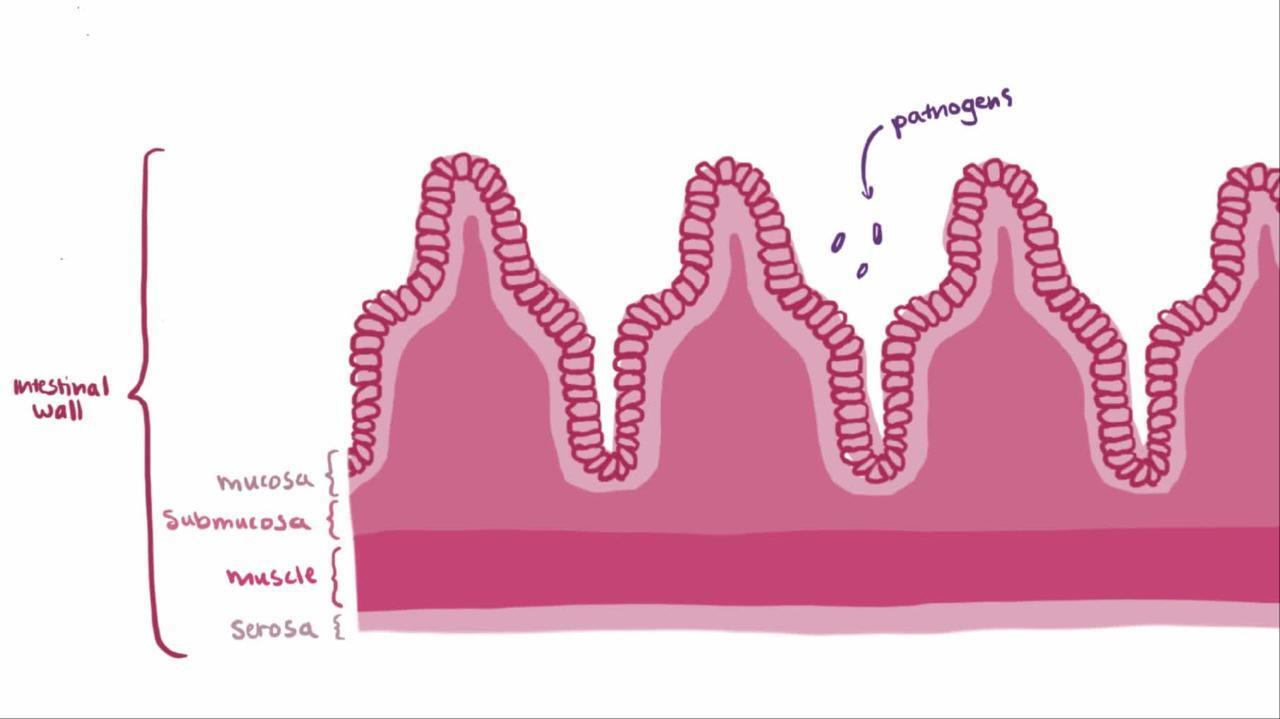
Transmural spread of inflammation leads to lymphedema and thickening of the bowel wall and mesentery. Mesenteric fat typically extends onto the serosal surface of the bowel. Mesenteric lymph nodes often enlarge. Extensive inflammation may result in hypertrophy of the muscularis mucosae, fibrosis, and stricture formation, which can lead to bowel obstruction.
Abscesses are common, and fistulas often penetrate into adjoining structures, including other loops of bowel, the bladder, or psoas muscle. Fistulas may even extend to the skin of the anterior abdomen or flanks. Perianal fistulas and abscesses (along with other perianal findings) occur in 20% of cases, independent of the presence of intra-abdominal disease activity; these complications are frequently the most troublesome aspects of Crohn disease (1).
Noncaseating granulomas can occur in lymph nodes, peritoneum, the liver, and all layers of the bowel wall. Although pathognomonic when present, granulomas are not detected in the majority of patients with Crohn disease (1, 2). The presence of granulomas does not seem to be related to the clinical course.
Segments of diseased bowel are sharply demarcated from adjacent normal bowel (called skip areas), hence the name regional enteritis (3):
About one-third of Crohn disease cases involve the ileum alone (ileitis) (4).
About one-third involve the ileum and colon (ileocolitis), with a predilection for the right side of the colon.
About one-third involve the colon alone (granulomatous colitis), most of which, unlike ulcerative colitis, spares the rectum.

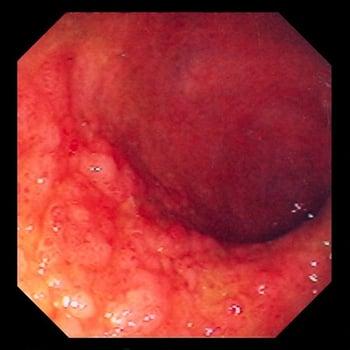
The ileum is inflamed in approximately 80% of cases of Crohn disease.
Occasionally, the small bowel is involved (jejunoileitis). The stomach, duodenum, or esophagus is clinically involved only rarely, although microscopic evidence of disease is often detectable in the gastric antrum, especially in younger patients. In the absence of surgical intervention, the disease almost never extends into areas of small bowel that are not involved at first diagnosis.
Classification
Crohn disease is categorized into 3 principal behavior patterns (5): (1) primarily inflammatory, which after several years commonly evolves into (2) primarily stricturing; or (3) primarily penetrating or fistulizing. That maps directly to the following Vienna/Montreal behavior classification (6):
B1 = Nonstricturing, nonpenetrating (inflammatory)
B2 = Stricturing
B3 = Penetrating (+ Montreal adds the perianal modifier “p”)
These different clinical patterns dictate different therapeutic approaches. Some genetic studies suggest a molecular basis for this classification.
Complications
There is an increased risk of cancer in affected small-bowel segments. Patients with colonic involvement have a long-term risk of colorectal cancer equal to that of ulcerative colitis, given the same extent and duration of disease (7).
Chronic malabsorption may cause nutritional deficiencies, particularly of vitamins D and B12.
Toxic colitis is a rare complication of colonic Crohn disease. It is a clinical syndrome of ileus accompanied by radiographic evidence of colonic dilation; many cases must be treated aggressively with surgical intervention.
Pathophysiology references
1. Dolinger M, Torres J, Vermeire S. Crohn's disease. Lancet. 2024;403(10432):1177-1191. doi:10.1016/S0140-6736(23)02586-2
2. Johnson CM, Hartman DJ, Ramos-Rivers C, et al. Epithelioid Granulomas Associate With Increased Severity and Progression of Crohn's Disease, Based on 6-Year Follow-Up. Clin Gastroenterol Hepatol. 2018;16(6):900-907.e1. doi:10.1016/j.cgh.2017.12.034
3. Dulai PS, Singh S, Vande Casteele N, et al. Should we divide Crohn's disease into ileum-dominant and isolated colonic diseases? Clin Gastroenterol Hepatol. 17(13):2634-2643, 2019. doi: 10.1016/j.cgh.2019.04.040
4. Lichtenstein GR, Loftus EV, Afzali A, et al. ACG Clinical Guideline: Management of Crohn's Disease in Adults. Am J Gastroenterol. 2025;120(6):1225-1264. Published 2025 Jun 3. doi:10.14309/ajg.0000000000003465
5. Silverberg MS, Satsangi J, Ahmad T, et al. Toward an integrated clinical, molecular and serological classification of inflammatory bowel disease: report of a Working Party of the 2005 Montreal World Congress of Gastroenterology. Can J Gastroenterol. 2005;19 Suppl A:5A-36A. doi:10.1155/2005/269076
6. Satsangi J, Silverberg MS, Vermeire S, Colombel JF. The Montreal classification of inflammatory bowel disease: controversies, consensus, and implications. Gut. 2006;55(6):749–753.
7. Beaugerie L, Itzkowitz SH. Cancers complicating inflammatory bowel disease. N Engl J Med. 2015;372(15):1441-1452. doi:10.1056/NEJMra1403718
Symptoms and Signs of Crohn Disease
The most common initial manifestations of Crohn disease are
Chronic diarrhea with abdominal pain, fever, anorexia, and weight loss
The abdomen is tender, and a mass or fullness may be palpable.
Symptoms may continue for days or weeks and may resolve without treatment. Complete and permanent recovery after a single attack is extremely rare. Crohn disease almost always flares at irregular intervals throughout a patient's lifetime. Recurrent inflammation tends to occur in the same area of the intestine. Flares can be mild or severe, brief or prolonged. Severe flares can lead to intense, constant pain, fever, and dehydration.
Gross rectal bleeding is unusual except in isolated colonic disease, which may manifest similarly to ulcerative colitis. Some patients present with an acute abdomen that simulates acute appendicitis or intestinal obstruction. Approximately 20 to 25% of patients have perianal disease (especially fissures and fistulas), which is sometimes the most prominent or even initial complaint (1–3).
With recurrent disease, symptoms vary. Pain is most common and occurs with both simple recurrence and abscess formation. Patients with a severe flare or abscess are likely to have marked tenderness, guarding, rebound, and a general toxic appearance. Stenotic segments may cause bowel obstruction, with colicky pain, distention, obstipation, and vomiting. Adhesions from previous surgery may also cause bowel obstruction, which begins rapidly, without the prodrome of fever, pain, and malaise typical of obstruction due to a Crohn disease flare. An enterovesical fistula may produce air bubbles in the urine (pneumaturia). Draining cutaneous fistulas may occur. Free perforation into the peritoneal cavity is unusual.
Chronic disease causes a variety of systemic symptoms, including fever, weight loss, malnutrition, and other extraintestinal manifestations of IBD.
In children, extraintestinal manifestations frequently predominate over gastrointestinal (GI) symptoms; arthritis, fever of unknown origin, anemia, or growth retardation may be a presenting symptom, whereas abdominal pain or diarrhea may be absent.
Symptoms and signs references
1. Dolinger M, Torres J, Vermeire S. Crohn's disease. Lancet. 2024;403(10432):1177-1191. doi:10.1016/S0140-6736(23)02586-2
2. Tsai L, McCurdy JD, Ma C, Jairath V, Singh S. Epidemiology and Natural History of Perianal Crohn's Disease: A Systematic Review and Meta-Analysis of Population-Based Cohorts. Inflamm Bowel Dis. 2022;28(10):1477-1484. doi:10.1093/ibd/izab287
3. Lichtenstein GR, Loftus EV, Afzali A, et al. ACG Clinical Guideline: Management of Crohn's Disease in Adults. Am J Gastroenterol. 2025;120(6):1225-1264. Published 2025 Jun 3. doi:10.14309/ajg.0000000000003465
Diagnosis of Crohn Disease
MR or CT enterography
Colonoscopy with visualization of the terminal ileum
Sometimes conventional CT, ultrasound, upper endoscopy, enteroscopy, and/or video capsule endoscopy
Laboratory testing
Crohn disease should be suspected in a patient with inflammatory or obstructive symptoms or in a patient without prominent GI symptoms but with perianal fistulas or abscesses or with otherwise unexplained arthritis, erythema nodosum, fever, anemia, or (in a child) stunted growth. A family history of Crohn disease also increases the index of suspicion.
Although imaging and biopsy are used to diagnose the disease, laboratory testing may precede imaging to evaluate for systemic inflammation, exclude infection, or evaluate for other causes of nonspecific symptoms.
Similar symptoms and signs (eg, abdominal pain, diarrhea) may be caused by other GI disorders, particularly ulcerative colitis. Differentiation from ulcerative colitis may be challenging in cases in which Crohn disease is confined to the colon. However, because treatment is similar, this distinction is critical only when surgery or experimental therapy is contemplated.
Patients presenting with an acute abdomen (either initially or during a relapse) should have an abdominal CT scan. These studies may show obstruction, abscesses or fistulas, and other possible causes of an acute abdomen (eg, appendicitis). Ultrasound may better delineate gynecologic pathology in women with lower abdominal and pelvic pain.
If initial presentation is less acute, MR and CT enterography, both of which combine high-resolution CT or MR imaging with large volumes of ingested contrast, are the procedures of choice (1, 2). These imaging studies are virtually diagnostic if they show characteristic strictures or fistulas with accompanying separation of bowel loops. An upper GI series with small-bowel follow-through and spot films of the terminal ileum is preferred over conventional CT and is an alternative approach when these advanced imaging techniques are unavailable.
Colonoscopy (including biopsy, sampling for enteric pathogens, and, when possible, visualization of the terminal ileum) is recommended in the initial evaluation of patients with suspected Crohn disease (3). This may be particularly useful in atypical cases (eg, predominantly diarrhea, with minimal pain). Upper GI endoscopy may identify subtle gastroduodenal involvement even in the absence of upper GI symptoms.
Intestinal ultrasound (IUS) has been used for monitoring disease activity. IUS is used as an alternative to endoscopies, magnetic resonance elastography (MRE), CT elastography (CTE), and biomarkers through examination of the bowel wall, mesentery and adjacent structures. IUS is an important tool in special populations, such as pregnant patients, patients with comorbid serious diseases, and patients with obesity (4).
If findings are questionable, CT enteroclysis or video capsule enteroscopy may show superficial aphthous and linear ulcers. Barium enema radiograph may be used if symptoms seem predominantly colonic (eg, diarrhea) and may show reflux of barium into the terminal ileum with irregularity, nodularity, stiffness, wall thickening, and a narrowed lumen. Differential diagnoses in patients with similar radiographic findings include cancer of the cecum, ileal carcinoid, lymphoma, systemic vasculitis, radiation enteritis, ileocecal tuberculosis, and ameboma.

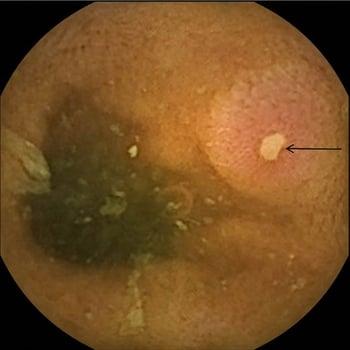
This photo shows video capsule endoscopy of a characteristic aphthous ulcer of Crohn disease. The ulcer (arrow) is a small, central, white depression with a slightly elevated and erythematous border.
Laboratory testing
Recommended laboratory testing includes fecal calprotectin to assess for colonic inflammation. Additional studies should evaluate for anemia, dehydration and electrolyte abnormalities, nutritional status, and fecal pathogens, including C. difficile (3).
To detect nutritional deficiencies, levels of vitamin D and B12 should be checked every 1 to 2 years. Additional laboratory measurements, such as levels of water-soluble vitamins (folic acid and niacin), fat-soluble vitamins (A, D, E and K), and minerals (zinc, selenium, and copper), may be checked when deficiencies are suspected.
Liver tests should also be performed; elevated alkaline phosphatase and gamma–glutamyl transpeptidase levels in patients with major colonic involvement suggest possible primary sclerosing cholangitis. Leukocytosis or increased levels of acute-phase reactants (eg, erythrocyte sedimentation rate, C-reactive protein) are nonspecific but may be used serially to monitor disease activity.
Bone mineral density monitoring, usually by dual-energy x-ray absorptiometry (DXA) scan, should be considered in all patients with inflammatory bowel disease (IBD), regardless of sex or age (5).
Serologic markers are generally not recommended for the routine diagnosis of Crohn disease (3). Perinuclear antineutrophil cytoplasmic antibodies are present in 50 to 70% of patients with ulcerative colitis and in only 5 to 20% of patients with Crohn disease, and may play a role in classifying indeterminate colitis when used in combination with anti–Saccharomyces cerevisiaeantibodies (6). Specific antibodies to microbial antigens, including anti–Saccharomyces cerevisiae, anti-OmpC, anti-CBir1, and anti-Pseudomonas fluorescens-associated sequence I2, may be useful for predicting disease severity and progression (7).
Assessing disease severity
Active Crohn disease activity is commonly described as mild, moderate, or severe based on an integrated assessment of clinical symptoms and functional impact, objective inflammatory activity (eg, CRP and/or fecal calprotectin), and endoscopic and/or cross-sectional imaging findings, together with the presence of complications and response to prior therapy. Mild disease typically involves symptoms that are tolerable without systemic toxicity, with preserved oral intake and minimal or no weight loss, and patients are generally ambulatory and afebrile, although abdominal pain and diarrhea may occur. Severe disease is suggested by high symptom burden with functional impairment, systemic features (eg, fever, tachycardia), substantial weight loss or malnutrition, marked inflammatory activity, failure of outpatient therapy, and/or complicated disease such as obstruction, fistula, or intra-abdominal abscess, with symptoms often refractory until effective treatment escalation is instituted. Crohn disease is also classified phenotypically by age at diagnosis, disease location, and behavior (inflammatory, stricturing, or penetrating), with perianal disease recorded as a modifier (8).
Diagnosis references
1. Dolinger M, Torres J, Vermeire S. Crohn's disease. Lancet. 2024;403(10432):1177-1191. doi:10.1016/S0140-6736(23)02586-2
2. Hameed M, De Kock I, Stoker J, Taylor SA. ESR Essentials: diagnosis and assessment of treatment response in patients with luminal Crohn's disease-practice recommendations by the European Society of Gastrointestinal and Abdominal Radiology. Eur Radiol. Published online June 11, 2025. doi:10.1007/s00330-025-11620-2
3. Lichtenstein GR, Loftus EV, Afzali A, et al. ACG Clinical Guideline: Management of Crohn's Disease in Adults. Am J Gastroenterol. 2025;120(6):1225-1264. Published 2025 Jun 3. doi:10.14309/ajg.0000000000003465
4. Chavannes M, Dolinger MT, Cohen-Mekelburg S, Abraham B. AGA Clinical Practice Update on the Role of Intestinal Ultrasound in Inflammatory Bowel Disease: Commentary. Clin Gastroenterol Hepatol. 2024;22(9):1790-1795.e1. doi:10.1016/j.cgh.2024.04.039
5. Caldera F, Kane S, Long M, Hash JG. AGA Clinical Practice Update on Noncolorectal Cancer Screening and Vaccinations in Patients With Inflammatory Bowel Disease: Expert Review. Clin Gastroenterol Hepatol. 2025;23(5):695-706. doi:10.1016/j.cgh.2024.12.011
6. Bosch X, Guilabert A, Font J. Antineutrophil cytoplasmic antibodies. Lancet. 2006;368(9533):404-418. doi:10.1016/S0140-6736(06)69114-9
7. Xiong Y, Wang GZ, Zhou JQ, Xia BQ, Wang XY, Jiang B. Serum antibodies to microbial antigens for Crohn's disease progression: a meta-analysis. Eur J Gastroenterol Hepatol. 2014;26(7):733-742. doi:10.1097/MEG.0000000000000102
8. Gordon H, Minozzi S, Kopylov U, et al. ECCO Guidelines on Therapeutics in Crohn's Disease: Medical Treatment. J Crohns Colitis. 2024 Oct 15;18(10):1531-1555. doi: 10.1093/ecco-jcc/jjae091
Treatment of Crohn Disease
Mild disease: Budesonide (glucocorticoid) or sulfasalazine (aminosalicylate)Mild disease: Budesonide (glucocorticoid) or sulfasalazine (aminosalicylate)
Moderate to severe disease: Biologic agents or small molecules (sometimes with an immunomodulator) for induction followed by continuation of a biologic agent for maintenance; sometimes glucocorticoids are also used for induction
Sometimes antidiarrheals or antispasmotics for symptomatic relief of mild disease
Sometimes surgery
The goal of therapy in patients with Crohn disease is to achieve remission and prevent disease complications (eg, strictures, fistulae, surgery) (1). The treatment approach depends on disease severity and whether the therapeutic aim is symptom management or disruption of the disease process.
Mild disease is typically managed with medications such as budesonide (a glucocorticoid) or sulfasalazine (an aminosalicylate), both of which manage inflammation. Some patients with mild disease may also be monitored and provided with supportive care directed at symptom control using antidiarrheals and dietary modification. is typically managed with medications such as budesonide (a glucocorticoid) or sulfasalazine (an aminosalicylate), both of which manage inflammation. Some patients with mild disease may also be monitored and provided with supportive care directed at symptom control using antidiarrheals and dietary modification.
Moderate to severe disease typically requires early introduction of a biologic agent or small molecule (sometimes in combination with an immunomodulator) for induction therapy, followed by ongoing treatment with the biologic for maintenance therapy. Systemic glucocorticoids are sometimes used for immediate symptom relief, but their use should be short-term to minimize adverse effects.
Disease complications (eg, strictures, abscesses) or disease that is refractory to medication may need to be treated with surgery.
Details of specific medications and dosages are discussed in Medications for Inflammatory Bowel Disease.
General management
It is generally recommended that all patients with inflammatory bowel disease follow a Mediterranean diet, which is rich in fruits and vegetables, monounsaturated fats, complex carbohydrates, and lean proteins (2). Hydrophilic mucilloids (eg, methylcellulose or psyllium preparations) sometimes help prevent anal irritation by increasing stool firmness. Dietary roughage is to be avoided in stricturing disease or active colonic inflammation.). Hydrophilic mucilloids (eg, methylcellulose or psyllium preparations) sometimes help prevent anal irritation by increasing stool firmness. Dietary roughage is to be avoided in stricturing disease or active colonic inflammation.
Routine health maintenance measures (eg, immunizations, cancer screening) should be emphasized (3). In general, recommended health maintenance schedules should be followed. Prior to treatment with immunomodulators, patients should receive all recommended inactivated vaccines and be screened for latent tuberculosis, hepatitis B, and hepatitis C. Live virus vaccines should be avoided in immunosuppressed patients.
Mild disease
This category includes ambulatory patients who tolerate oral intake and have no signs of toxicity, tenderness, mass, or obstruction.
Oral enteric coated budesonide is commonly used as first-line treatment for inducing remission in mild disease in low-risk patients with Crohn disease of the ileum and right colon. Budesonide is started at 9 mg daily for 4 to 8 weeks, then tapered by 3 mg every 2 to 4 weeks for a total of 2 to 3 months (Oral enteric coated budesonide is commonly used as first-line treatment for inducing remission in mild disease in low-risk patients with Crohn disease of the ileum and right colon. Budesonide is started at 9 mg daily for 4 to 8 weeks, then tapered by 3 mg every 2 to 4 weeks for a total of 2 to 3 months (3, 4). Maintenance of remission is then initiated with either a thiopurine or biologic. Budesonide is also available as an enema.). Maintenance of remission is then initiated with either a thiopurine or biologic. Budesonide is also available as an enema.
Sulfasalazine may be used in patients with mild disease that is limited to the colon, including left-sided colonic involvement (Sulfasalazine may be used in patients with mild disease that is limited to the colon, including left-sided colonic involvement (1).
5-ASA (mesalamine) should not be used in the treatment of Crohn disease due to a lack of efficacy. Similarly, antibiotics are not recommended for the treatment of mild Crohn disease. (mesalamine) should not be used in the treatment of Crohn disease due to a lack of efficacy. Similarly, antibiotics are not recommended for the treatment of mild Crohn disease.
Cramps and diarrhea may be relieved by oral antidiarrheals, such as loperamide 2 to 4 mg, or antispasmodic medications up to 4 times a day (ideally before meals) (Cramps and diarrhea may be relieved by oral antidiarrheals, such as loperamide 2 to 4 mg, or antispasmodic medications up to 4 times a day (ideally before meals) (3). Such symptomatic treatment is safe, except in cases of moderate to severe acute Crohn colitis, which may progress to toxic colitis as in ulcerative colitis.
Moderate to severe disease
Moderate to severe disease is generally treated with a biologic or the small-molecule agent upadacitinib (sometimes in combination with an immunomodulator) for induction therapy. Patients who achieve clinical and endoscopic remission are then continued on a biologic agent for maintenance therapy. Moderate to severe disease is generally treated with a biologic or the small-molecule agent upadacitinib (sometimes in combination with an immunomodulator) for induction therapy. Patients who achieve clinical and endoscopic remission are then continued on a biologic agent for maintenance therapy.
Patients without fistulas or abscesses but with significant pain, tenderness, fever, or vomiting, or those who have not responded to treatment for mild disease, often have rapid relief of symptoms when given glucocorticoids, either oral or parenteral (3, 4). Oral prednisone or prednisolone may act more rapidly and reliably than oral budesonide, but budesonide has somewhat fewer adverse effects and is considered the glucocorticoid of choice in many centers. However, oral glucocorticoids are not effective long-term maintenance therapy and their use should generally be limited as a "bridge" for other therapies. ). Oral prednisone or prednisolone may act more rapidly and reliably than oral budesonide, but budesonide has somewhat fewer adverse effects and is considered the glucocorticoid of choice in many centers. However, oral glucocorticoids are not effective long-term maintenance therapy and their use should generally be limited as a "bridge" for other therapies.
A biologic agent (infliximab, adalimumab, certolizumab pegol, vedolizumab, ustekinumab, mirikizumab, risankizumab, guselkumab), with or without an (infliximab, adalimumab, certolizumab pegol, vedolizumab, ustekinumab, mirikizumab, risankizumab, guselkumab), with or without animmunomodulator (azathioprine, 6-mercaptopurine, or methotrexate) can be used as first-line therapy for induction and maintenance, even before a course of glucocorticoids. For patients who do not respond to a biologic agent in a certain drug class (eg, TNF inhibitor), a medication from a different drug class can be used (eg, IL-23 inhibitor). (azathioprine, 6-mercaptopurine, or methotrexate) can be used as first-line therapy for induction and maintenance, even before a course of glucocorticoids. For patients who do not respond to a biologic agent in a certain drug class (eg, TNF inhibitor), a medication from a different drug class can be used (eg, IL-23 inhibitor).
Upadacitinib (a small-molecule Janus kinase inhibitor) can be considered for patients with an inadequate response or intolerance to 1 or more TNF blockers. Maintenance therapy may be continued with the agent that induced remission. In some situations, surgery is also appropriate.Upadacitinib (a small-molecule Janus kinase inhibitor) can be considered for patients with an inadequate response or intolerance to 1 or more TNF blockers. Maintenance therapy may be continued with the agent that induced remission. In some situations, surgery is also appropriate.
Obstruction is managed initially with nasogastric suction and IV fluids. Obstruction due to uncomplicated Crohn disease should resolve within a few days and, therefore, does not require either specific anti-inflammatory therapy or parenteral nutrition; absence of prompt response, however, indicates a complication or another etiology and requires immediate surgery.
Fulminant disease or abscess
Patients with toxic appearance, high fever, persistent vomiting, rebound, or a tender or palpable mass must be hospitalized for administration of IV fluids and antibiotics. Abscesses must be drained, either percutaneously or surgically. IV glucocorticoids or biologic agents should only be administered when infection has been excluded or controlled (1). If there is no response to glucocorticoids or biologics, surgery could be indicated.


Fistulas
Patients who have perianal fistulas are treated initially with a TNF inhibitor (eg, infliximab or adalimumab) (Patients who have perianal fistulas are treated initially with a TNF inhibitor (eg, infliximab or adalimumab) (1). Antibiotics (usually metronidazole and ciprofloxacin) should be added to the initial regimen to improve clinical response. Ustekinumab, vedolizumab, and upadacitinib are alternative medications that may be used alone, as can infliximab and adalimumab in some cases.). Antibiotics (usually metronidazole and ciprofloxacin) should be added to the initial regimen to improve clinical response. Ustekinumab, vedolizumab, and upadacitinib are alternative medications that may be used alone, as can infliximab and adalimumab in some cases.
Abscesses should be drained if present. Endoscopic ultrasound-guided placement of fibrin glue, or use of a seton drain (a piece of suture material temporarily left in the fistula to allow it to drain), may help some patients with more complex or refractory perianal fistulas (1). Severe refractory perianal fistulas may require temporary diverting colostomy but almost invariably recur after reconnection; hence, diversion is more appropriately considered a preparation for definitive surgery or at best an adjunct to infliximab or adalimumab rather than a primary treatment.). Severe refractory perianal fistulas may require temporary diverting colostomy but almost invariably recur after reconnection; hence, diversion is more appropriately considered a preparation for definitive surgery or at best an adjunct to infliximab or adalimumab rather than a primary treatment.
Monitoring response to therapy
Post-induction imaging (often MR enteroscopy) or endoscopy is performed to evaluate treatment response. Mucosal healing is the goal of therapy. Monitoring during remission may be performed by following symptoms and performing blood tests or stool tests (eg, fecal calprotectin) or by routine imaging (eg, enterography) or colonoscopy (in addition to regular surveillance for dysplasia after 7 to 8 years of disease).
Surgery
Even though 30 to 55% of patients ultimately require a major abdominal operation, surgery for Crohn disease is often performed reluctantly (1). It is best reserved for recurrent intestinal obstruction or intractable fistulas or abscesses. Resection of the involved bowel may ameliorate symptoms but does not cure the disease, which is likely to recur even after resection of all clinically apparent lesions.
The rate of severe endoscopic recurrence after surgery in individuals who were not on IBD medications is 50% or greater (5, 6).
Ultimately, further surgery is required in 30 to 35% of cases in 10 years (1). However, recurrence rates seem to be reduced by early postoperative prophylaxis with thiopurines or anti-TNF agents (7). Moreover, when surgery is performed for appropriate indications, almost all patients have improved quality of life.
Because smoking increases the risk of recurrence, smoking cessation should be strongly encouraged (1).
Treatment references
1. Lichtenstein GR, Loftus EV, Afzali A, et al. ACG Clinical Guideline: Management of Crohn's Disease in Adults. Am J Gastroenterol. 2025;120(6):1225-1264. Published 2025 Jun 3. doi:10.14309/ajg.0000000000003465
2. Hashash JG, Elkins J, Lewis JD, Binion DG. AGA Clinical Practice Update on Diet and Nutritional Therapies in Patients With Inflammatory Bowel Disease: Expert Review. Gastroenterology. 2024;166(3):521-532. doi:10.1053/j.gastro.2023.11.303
3. Caldera F, Kane S, Long M, Hash JG. AGA Clinical Practice Update on Noncolorectal Cancer Screening and Vaccinations in Patients With Inflammatory Bowel Disease: Expert Review. Clin Gastroenterol Hepatol. 2025;23(5):695-706. doi:10.1016/j.cgh.2024.12.011
4. Dolinger M, Torres J, Vermeire S. Crohn's disease. Lancet. 2024;403(10432):1177-1191. doi:10.1016/S0140-6736(23)02586-2
5. Renna S, Cammà C, Modesto I, et al. Meta-analysis of the placebo rates of clinical relapse and severe endoscopic recurrence in postoperative Crohn's disease. Gastroenterology. 135(5):1500-1509, 2008. doi: 10.1053/j.gastro.2008.07.066
6. D'Haens G, Taxonera C, Lopez-Sanroman A, et al. Vedolizumab to prevent postoperative recurrence of Crohn's disease (REPREVIO): a multicentre, double-blind, randomised, placebo-controlled trial. . Vedolizumab to prevent postoperative recurrence of Crohn's disease (REPREVIO): a multicentre, double-blind, randomised, placebo-controlled trial.Lancet Gastroenterol Hepatol. 2025;10(1):26-33. doi:10.1016/S2468-1253(24)00317-0
7. Nguyen GC, Loftus EV Jr, Hirano I, et al. American Gastroenterological Association Institute Guideline on the Management of Crohn's Disease After Surgical Resection. Gastroenterology. 2017;152(1):271-275. doi:10.1053/j.gastro.2016.10.038
Prognosis for Crohn Disease
Established Crohn disease is rarely cured but is characterized by intermittent exacerbations and remissions. Some patients have severe disease with frequent, debilitating periods of pain. However, with judicious medical therapy and, where appropriate, surgical therapy, most patients function well and adapt successfully.
Disease-related mortality is slightly higher compared with the general population (1). One large meta-analysis including patients with inflammatory bowel disease reported an all-cause mortality standardized mean ratio for Crohn disease of 1.38 (2). GI cancer, including cancer of the colon and small bowel, is the leading cause of excess Crohn disease-related mortality. Thromboembolic complications (especially during active Crohn colitis) also may cause death. Approximately 15% of people are disabled by Crohn disease and the complications it causes (3, 4).
Prognosis references
1. Lichtenstein GR, Loftus EV, Afzali A, et al. ACG Clinical Guideline: Management of Crohn's Disease in Adults. Am J Gastroenterol. 2025;120(6):1225-1264. Published 2025 Jun 3. doi:10.14309/ajg.0000000000003465
2. Bewtra M, Kaiser LM, TenHave T, Lewis JD. Crohn's disease and ulcerative colitis are associated with elevated standardized mortality ratios: a meta-analysis. Inflamm Bowel Dis. 2013;19(3):599-613. doi:10.1097/MIB.0b013e31827f27ae
3. de Sá Brito Fróes R, da Luz Moreira A, Carneiro AJV, et al. Prevalence, Indirect Costs, and Risk Factors for Work Disability in Patients with Crohn's Disease at a Tertiary Care Center in Rio de Janeiro. Dig Dis Sci. 2021;66(9):2925-2934. doi:10.1007/s10620-020-06646-z
4. Everhov ÅH, Khalili H, Askling J, et al. Sick Leave and Disability Pension in Prevalent Patients With Crohn's Disease. J Crohns Colitis. 2018;12(12):1418-1428. doi:10.1093/ecco-jcc/jjy123
Key Points
Crohn disease typically affects the ileum and/or colon but spares the rectum (which is invariably affected in ulcerative colitis).
Intermittent areas of diseased bowel are sharply demarcated from adjacent normal bowel (called skip areas).
Symptoms primarily involve episodic diarrhea and abdominal pain; gastrointestinal bleeding is rare.
Complications include abdominal abscesses and enterocutaneous fistulas.
Treat mild disease initially with budesonide.Treat mild disease initially with budesonide.
Treat moderate to severe disease with glucocorticoids and sometimes immunomodulators (eg, azathioprine), biologics (eg, anti-cytokine and anti-integrin agents, infliximab, vedolizumab, ustekinumab, risankizumab) or a Janus kinase inhibitor (upadacitinib), sometimes in combination with an immunomodulator (azathioprine, 6-mercaptopurine, or methotrexate); glucocorticoids may be added to induction therapy.Treat moderate to severe disease with glucocorticoids and sometimes immunomodulators (eg, azathioprine), biologics (eg, anti-cytokine and anti-integrin agents, infliximab, vedolizumab, ustekinumab, risankizumab) or a Janus kinase inhibitor (upadacitinib), sometimes in combination with an immunomodulator (azathioprine, 6-mercaptopurine, or methotrexate); glucocorticoids may be added to induction therapy.
Up to 55% of patients ultimately require an major operation, typically for recurrent intestinal obstruction, intractable fistulas, or abscesses.