A vestibular schwannoma (also called an acoustic neuroma) is a noncancerous (benign) tumor that originates in the cells that wrap around the vestibular nerve (Schwann cells).

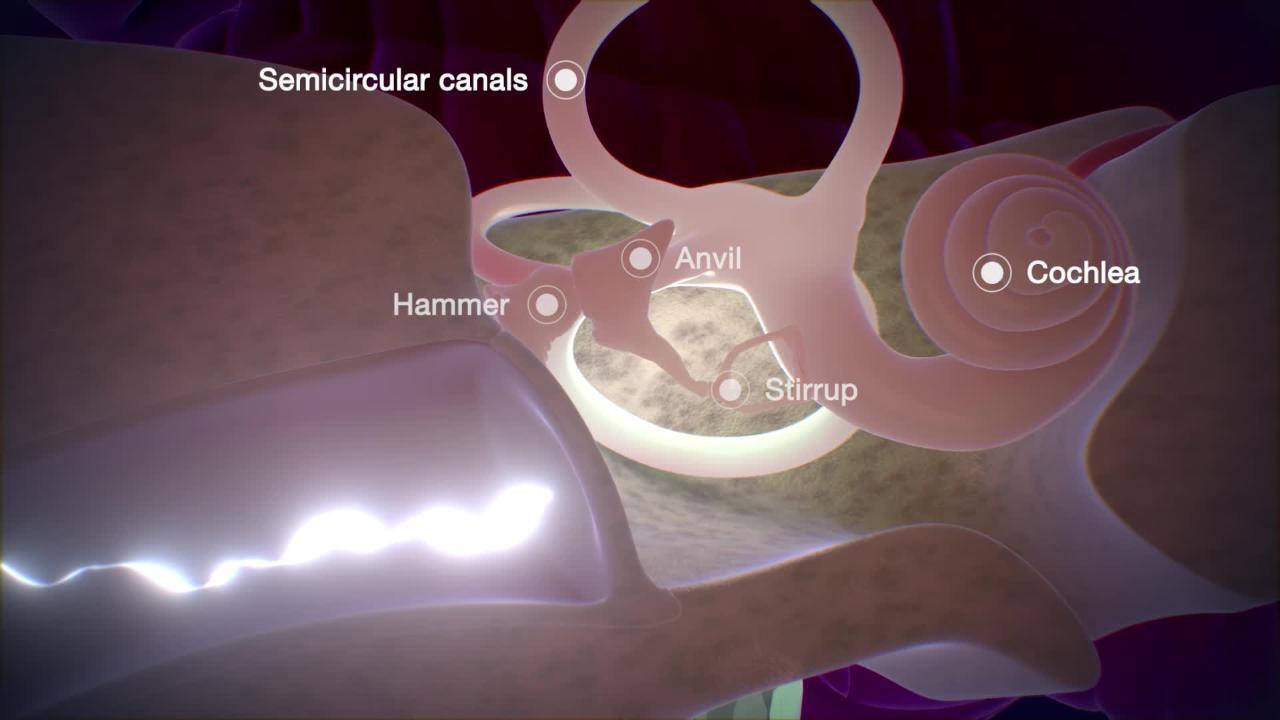
Vestibular schwannomas start in the vestibular branch of the vestibulocochlear nerve (eighth cranial nerve), which helps maintain balance. The other branch, the cochlear (auditory) branch of the vestibulocochlear nerve, carries sound signals to the brain. The tumor grows and presses on the auditory nerve, causing hearing loss in one ear that usually progresses slowly.
Symptoms of Vestibular Schwannoma
Early symptoms of vestibular schwannoma include
Slowly progressive hearing loss in one ear
Noise or ringing in the ear (tinnitus)
Headache
A feeling of pressure or fullness in the ear
Ear pain
Imbalance or unsteadiness when the person turns quickly
Sometimes hearing loss occurs abruptly. Hearing loss varies in severity.
If the tumor grows larger and compresses other parts of the brain, such as the facial nerve (seventh cranial nerve) or the trigeminal nerve (fifth cranial nerve), weakness (facial droop) or pain and numbness of the face may result.
Diagnosis of Vestibular Schwannoma
A doctor's evaluation
Hearing assessment
Magnetic resonance imaging (MRI)
To diagnose vestibular schwannoma, doctors usually do an audiogram (a hearing test) first. If hearing is lost in only one ear, MRI, preferably gadolinium-enhanced MRI, is then performed.
Other hearing tests include tympanometry (tests how well sound can pass through the eardrum and middle ear) and auditory brain stem response testing (measures nerve impulses in the brain stem resulting from sound signals in the ears).
Anyone under the age of 30 who has a unilateral (on one side) schwannoma and those who have bilateral (on both sides) schwannomas should undergo genetic testing to rule out neurofibromatosis.
Treatment of Vestibular Schwannoma
Sometimes surgery or radiation therapy
Tumors that are small and not growing or causing symptoms do not require treatment. Tumors that begin growing or cause symptoms are removed with surgery or controlled using radiation therapy. Surgery may be performed using a microscope (microsurgery) to avoid damaging the facial nerve, and hearing can sometimes be saved. Radiation therapy may be performed using a very precise technique (called stereotactic radiation therapy) so that only the tumor is affected. Whether surgery or stereotactic radiation therapy is performed depends on a number of factors, including the person's age, health, amount of hearing loss, and size of the tumor. Sometimes, patients need rehabilitation to help them recover, especially if they have hearing loss in both ears or ongoing dizziness and balance issues.