Croup is an inflammation of the windpipe (trachea) and voice box (larynx) typically caused by a contagious viral infection that causes a brassy, bark-like cough, a loud squeaking noise when breathing in (stridor), and sometimes difficulty breathing.
Croup is caused by viruses.
Symptoms include fever, runny nose, and a typical bark-like cough.
The diagnosis is based on symptoms.
Most children recover at home, but those who require hospitalization receive fluids, oxygen, and medications.
Croup primarily affects children 6 months to 3 years of age.
Although croup occurs throughout the year, seasonal outbreaks are common. Croup caused by parainfluenza viruses typically occurs in the fall, and croup caused by respiratory syncytial virus (RSV) or an influenza virus typically occurs in the winter and spring.
The infection usually is spread by breathing in airborne droplets containing viruses or by having contact with objects contaminated by these droplets.
Most children have only a single episode of croup, but a few have repeated episodes (called spasmodic croup) that gradually decrease in frequency and severity. Allergies or airway reactivity (such as occurs in asthma) may play a role in spasmodic croup.
Inside the Lungs and Airways

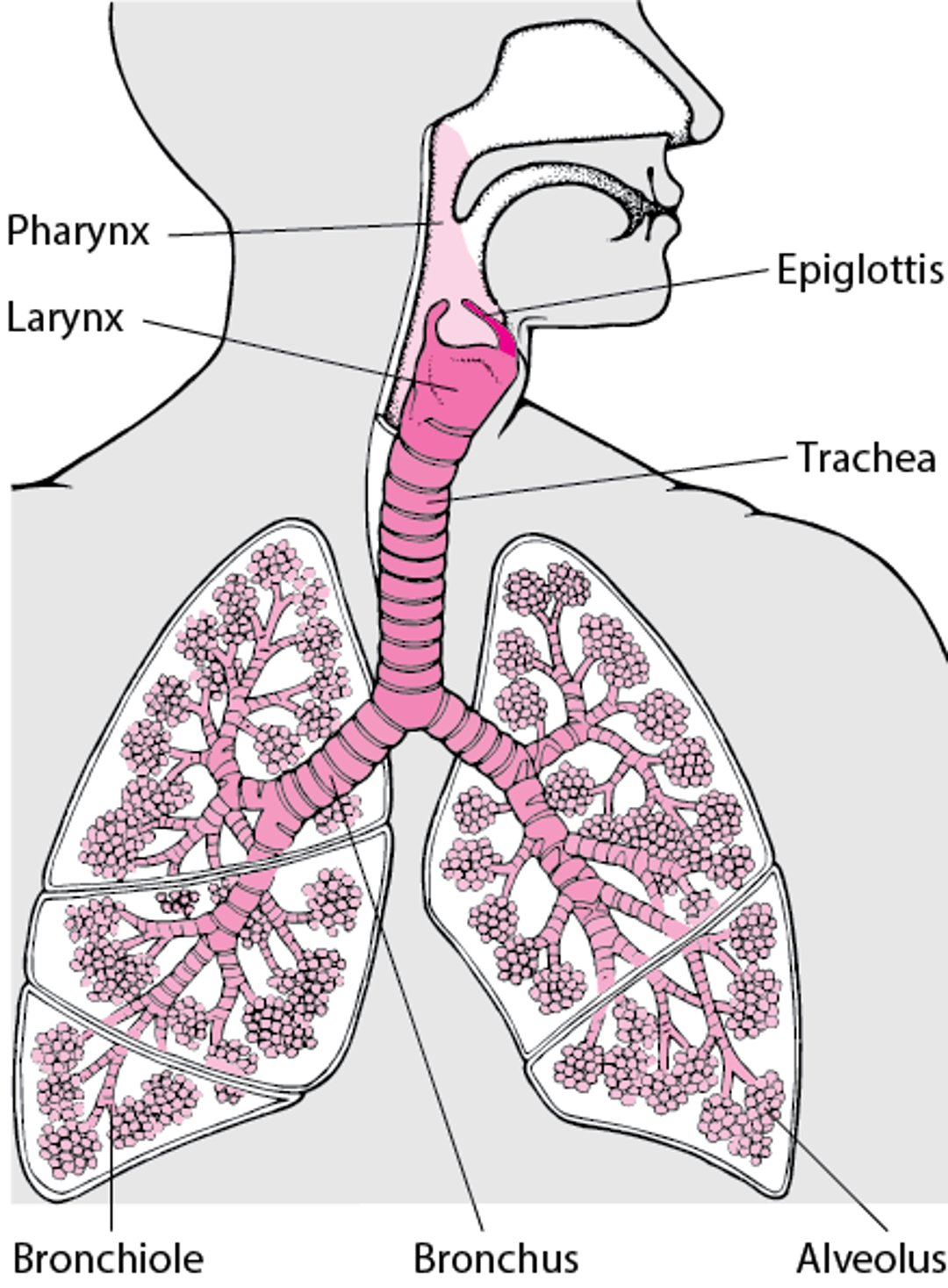
Causes of Croup
Croup is caused by a viral infection that leads to swelling of the lining of the airways, particularly the area just below the voice box (larynx).
The most common cause of croup is:
Parainfluenza viruses
Less commonly, croup can also be caused by other viruses such as RSV, measles virus, or an influenza virus. Croup caused by an influenza virus may be particularly severe and may occur in a broader age range of children.
Symptoms of Croup
Croup usually starts with symptoms of a cold: runny nose, sneezing, mild fever, and some coughing. Then the child develops hoarseness and a frequent, unusual-sounding cough, which is described as brassy or barking.
Croup ranges widely in its severity. Sometimes swelling of the airway causes difficulty breathing, which is most noticeable when breathing in (inspiration). In severe croup, there may be a loud squeaking noise (stridor) heard with each inspiration.
Many children have a fever. All symptoms are typically much worse at night and may awaken children from sleep. Symptoms often seem to lessen in the morning and worsen again the next night.


The worst of the symptoms usually lasts 3 to 4 days, and the cough continues but changes to a looser-sounding cough. This change can cause concern for parents who think the infection has moved to the chest. However, it is the normal progression of the illness.
Diagnosis of Croup
Sound of the cough and stridor
Neck and chest x-rays
A doctor diagnoses croup based on the characteristic symptoms of the barking cough, stridor, hoarseness, and trouble breathing.
Occasionally, doctors do x-rays of the neck and chest to help make a definitive diagnosis of croup.
Treatment of Croup
For mild croup, fluids, cool humidified air, and possibly a steroid (sometimes called glucocorticoids or corticosteroids)
For moderate to severe croup, hospitalization, oxygen, epinephrine, and steroidsFor moderate to severe croup, hospitalization, oxygen, epinephrine, and steroids
If a child develops a croupy breathing pattern, the parents should contact the doctor because children with croup can become very ill very quickly.
Children with mild croup may be cared for at home and usually recover in 3 to 4 days. Children should be made comfortable, given plenty of fluids, and allowed to rest because fatigue and crying can worsen the condition. Home humidifying devices (for example, cool-mist vaporizers or humidifiers) may reduce drying of the upper airways and ease breathing. The humidity can be raised quickly by running a hot shower to steam up the bathroom. Carrying the child outside to breathe cold night air or to the kitchen to breathe cold air from the freezer also may open the airways. Although these remedies are harmless, there is little scientific evidence that they make any difference in how children feel.
Children with mild croup may be given a single dose of the steroid dexamethasone by mouth or injection to reduce swelling. This medication can help prevent worsening of symptoms and hospitalization and can help hospitalized children with moderate to severe croup.Children with mild croup may be given a single dose of the steroid dexamethasone by mouth or injection to reduce swelling. This medication can help prevent worsening of symptoms and hospitalization and can help hospitalized children with moderate to severe croup.
Did You Know...
|
Children with worsening symptoms should be seen immediately by a doctor who will likely recommend dexamethasone and may hospitalize children for observation and care.
Children with moderate to severe croup have increasing or continuing difficulty in breathing, rapid heart rate, fatigue, dehydration, or bluish or grayish skin discoloration (cyanosis). They are hospitalized because they need to be given oxygen as well as fluids by vein. Doctors usually treat children with epinephrine given in a nebulizer and Children with moderate to severe croup have increasing or continuing difficulty in breathing, rapid heart rate, fatigue, dehydration, or bluish or grayish skin discoloration (cyanosis). They are hospitalized because they need to be given oxygen as well as fluids by vein. Doctors usually treat children with epinephrine given in a nebulizer anddexamethasone given by mouth or injection. These medications help shrink swollen tissue in the airways. Children who improve with these treatments may be sent home, but children who are very ill should remain in the hospital.
Antibiotics are used only in the rare situation when a child with croup also develops a bacterial infection.
Rarely, a ventilator (a breathing machine that helps air get in and out of the lungs) is needed.
Prognosis for Croup
Most children with croup recover completely.