Bacterial tracheitis is a serious infection of the windpipe (trachea) caused by bacteria.
Bacterial tracheitis is uncommon and can affect children of any age.
The bacteria Staphylococcus aureus and streptococci are the most frequent causes. Occasionally, bacterial tracheitis develops as a complication of croup (inflammation of the trachea and voice box) or endotracheal intubation (insertion of a plastic breathing tube through the mouth or nose into the trachea).
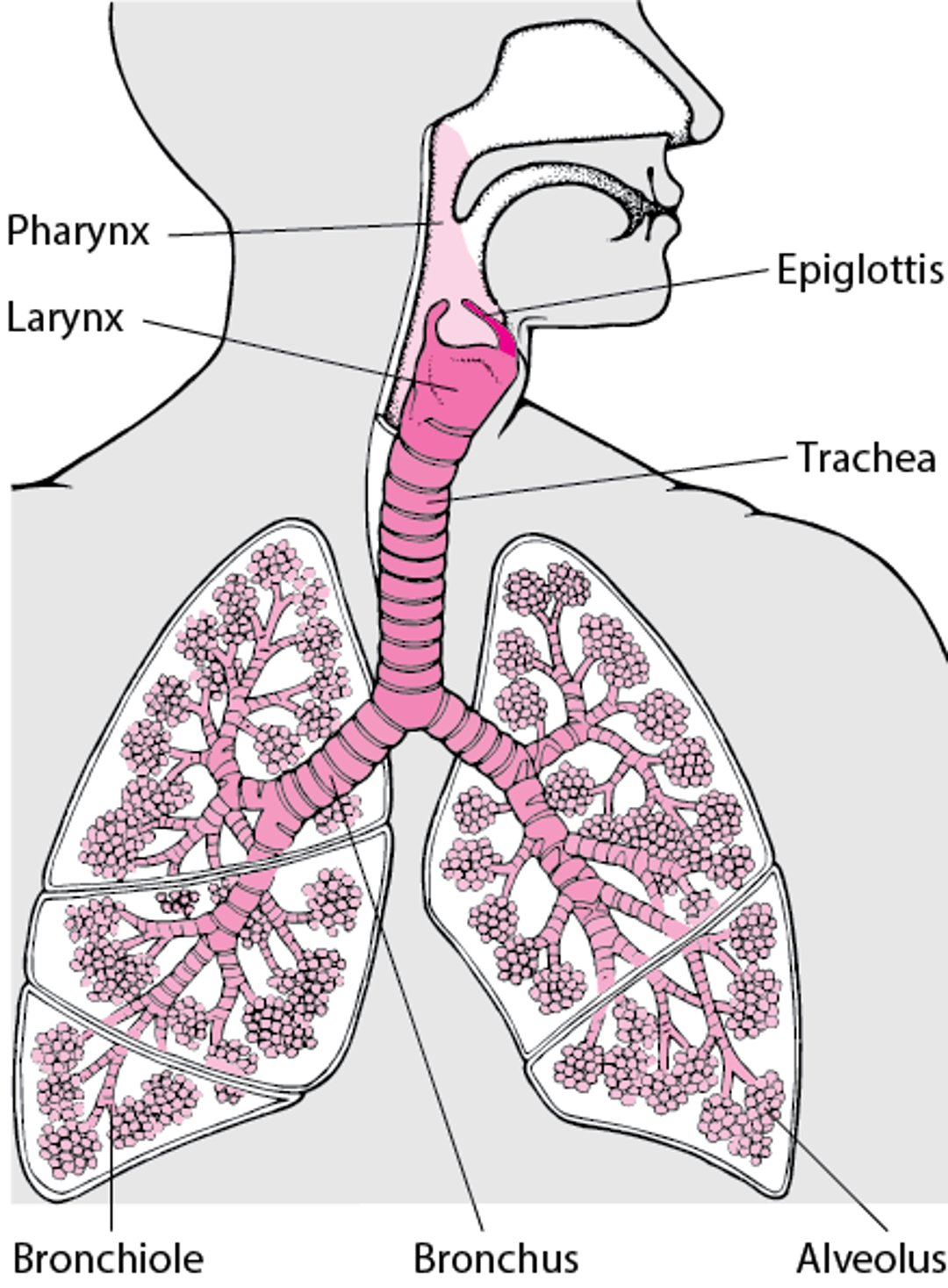
Inside the Lungs and Airways

Symptoms of Bacterial Tracheitis
Most children have symptoms of viral respiratory infection (such as a runny nose, sore throat, and other cold-like symptoms) for 1 to 3 days before they develop severe stridor and dyspnea. Stridor is a loud squeaking noise that is heard when the child breathes in, and dyspnea is shortness of breath. A few children suddenly develop cough, stridor, high fever, and often large amounts of pus-filled secretions that can cause choking or life-threatening blockage of the airways.
Some children are very ill and may need to be hospitalized.
Diagnosis of Bacterial Tracheitis
Laryngoscopy
Neck x-rays
A doctor bases the diagnosis of bacterial tracheitis on symptoms.
To confirm the diagnosis, a doctor examines the back of the child's throat with a thin tube called a laryngoscope. The tube has a light and a camera at the end of it, and it may be flexible or stiff. This instrument allows the doctor to see deeper into the throat. This examination takes place in an operating room, and the child is given an anesthetic beforehand to prevent pain.
A doctor can also confirm the diagnosis by taking x-rays of the neck to show the abnormalities that distinguish bacterial tracheitis from croup.
Treatment of Bacterial Tracheitis
Endotracheal intubation
Antibiotics
Very ill children require endotracheal intubation. The tube keeps the airway from swelling shut.
Doctors first give children antibiotics by vein for 10 days or more to treat the infection. After children are discharged from the hospital, doctors give them pills to take for 10 to 14 days.
With treatment, most children recover completely.